Kokanee at Eagle Nest Lake
There’s a special thrill that comes with targeting Kokanee salmon, especially when you're fishing the stunning, high-altitude waters of Eagle Nest Lake in New Mexico. Many anglers find these landlocked salmon to be incredibly elusive, leading to frustrating days when the bite just isn't there. This comprehensive guide aims to demystify Kokanee fishing at Eagle Nest, offering you the insider knowledge and practical strategies to increase your chances of reeling in these silver beauties.
Understanding Kokanee Salmon in New Mexico
Kokanee salmon are a fascinating species, known for their vibrant colors during spawning and their delicious, rich-tasting flesh. But before you can catch them, it's crucial to understand what makes them tick, especially in a unique fishery like Eagle Nest Lake.
What Makes Kokanee Unique?
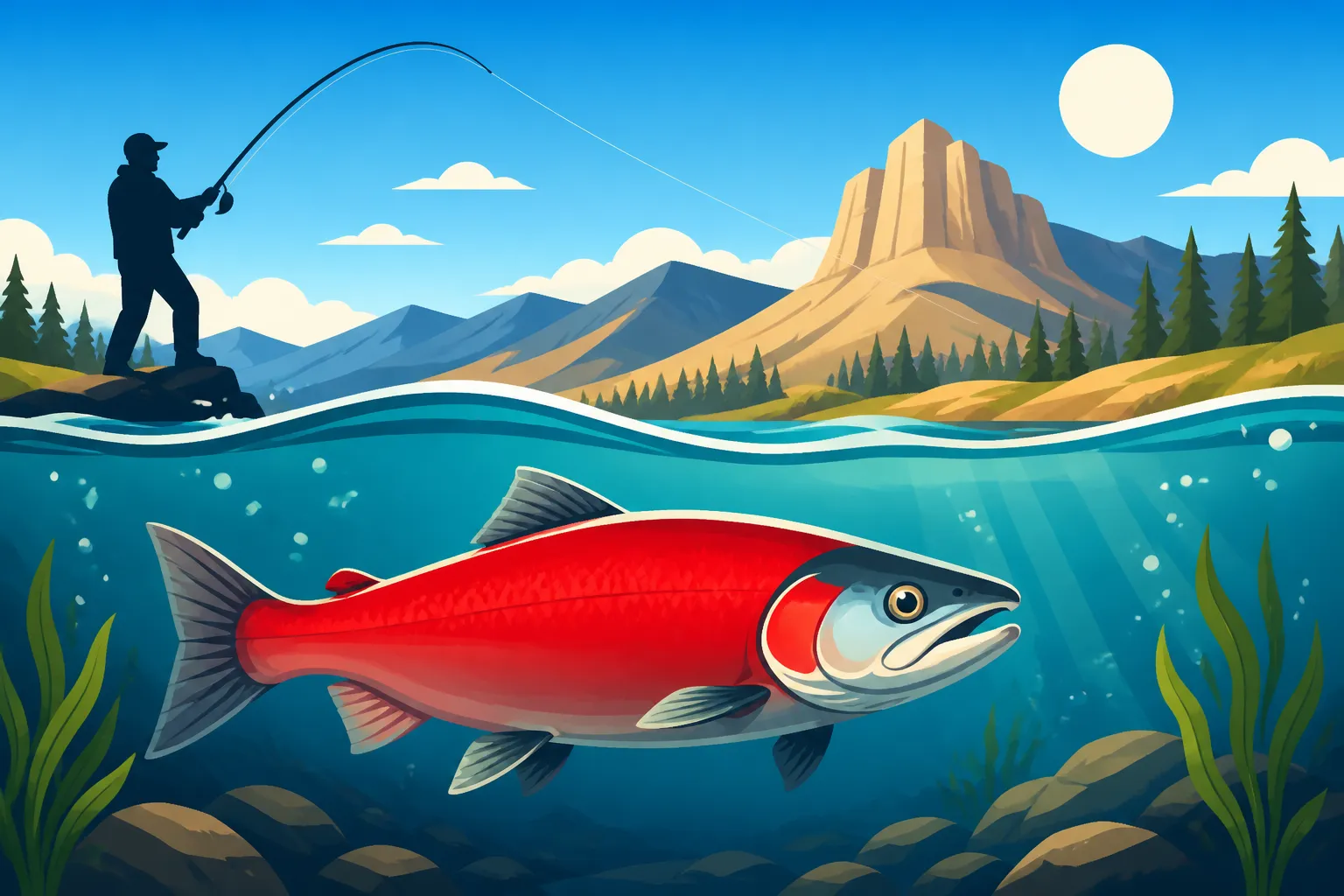
Kokanee are essentially landlocked sockeye salmon. This means they complete their entire life cycle in freshwater, never migrating to the ocean like their anadromous relatives. In New Mexico, they are a stocked species, meaning the New Mexico Department of Game and Fish actively releases them into lakes like Eagle Nest to maintain a healthy population for anglers. Their life cycle is relatively short, typically three to four years, culminating in a dramatic spawning run where their bodies transform into brilliant red hues before they perish. This unique cycle means they are constantly on the move, chasing preferred water temperatures and food sources, which makes them a challenging but rewarding target. Unlike other salmonids, Kokanee are almost exclusively plankton feeders, which significantly influences the baits and lures you'll need to use.
Identifying Kokanee from Other Trout
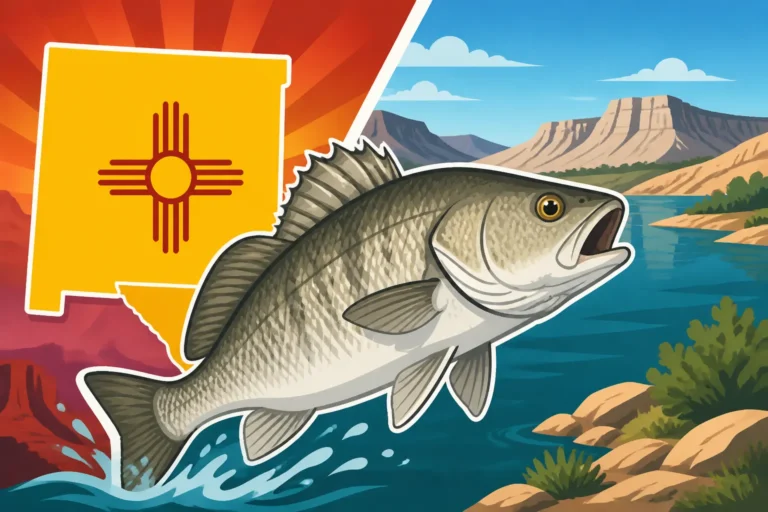
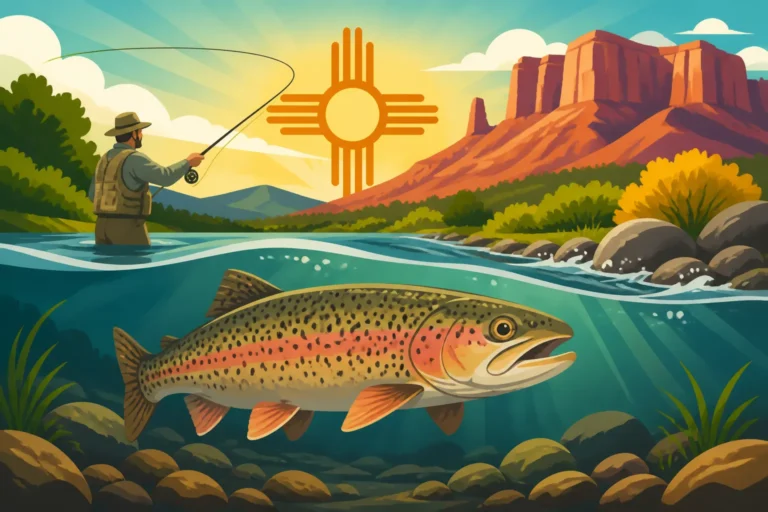
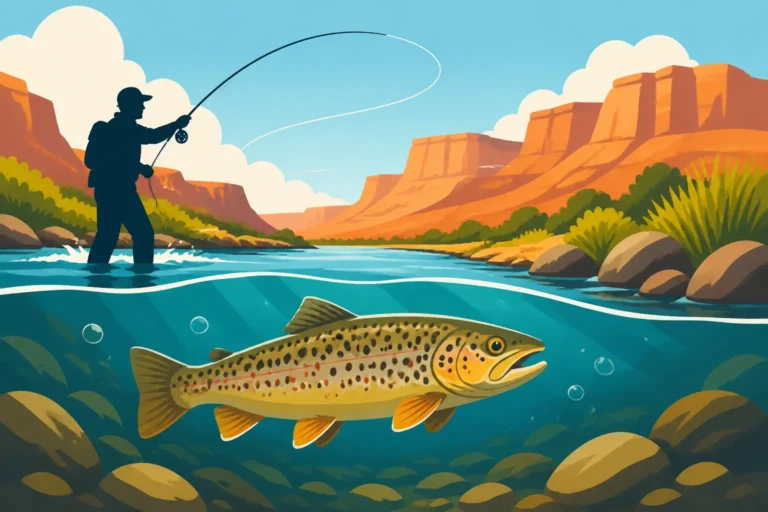
When you're out on the water, especially in a lake that holds various trout species, it's helpful to know how to distinguish a Kokanee. They generally have a slender, torpedo-shaped body, often appearing silvery with a bluish-green back, especially before their spawning transformation. Unlike rainbow or brown trout, Kokanee typically have very few, if any, spots on their bodies. A key identifier is their mouth: they have a relatively small mouth, and during spawning, the males develop a pronounced kype (hooked jaw) and a humped back. Rainbow trout, for instance, tend to have a distinct pink or red stripe along their sides and more noticeable spots, while brown trout often have dark spots surrounded by lighter halos. Knowing these subtle differences is not just about bragging rights; it's essential for adhering to specific bag limits and regulations for each species.
Kokanee Behavior and Feeding Habits
Kokanee are creatures of habit, driven largely by water temperature, light conditions, and the availability of zooplankton – their primary food source. They prefer cooler water, typically congregating in depths where temperatures are between 45 and 55 degrees Fahrenheit. This means their location in the water column can change drastically with the seasons, moving deeper in summer and sometimes shallower in spring and fall. They are also notoriously light-sensitive, which is why early morning and late evening often yield the best results. During the day, they tend to suspend in deeper, darker water. Their plankton diet means they don't strike out of aggression or hunger for larger prey like some other fish. Instead, they are attracted to very small, flashy lures that mimic the appearance or movement of plankton, or to baits heavily scented to appeal to their keen sense of smell. Understanding this nuanced feeding behavior is the foundation of successful Kokanee fishing.
Eagle Nest Lake: A Prime Kokanee Destination
Eagle Nest Lake, nestled high in the Moreno Valley of northern New Mexico, is renowned for its stunning scenery and its robust Kokanee salmon population. It's truly a special place for anglers seeking these landlocked beauties.
Why Eagle Nest is Ideal for Kokanee
Eagle Nest Lake offers an almost perfect habitat for Kokanee salmon. Situated at a high elevation, it naturally maintains the cold, oxygen-rich waters that these fish thrive in. The lake is deep, providing plenty of thermal refuge during the warmer summer months, allowing Kokanee to descend to comfortable temperatures. Furthermore, the New Mexico Department of Game and Fish regularly stocks Eagle Nest with Kokanee fingerlings, ensuring a consistent supply of fish for recreational anglers. This active management, combined with the lake's natural characteristics – its clean water, ample forage, and relatively secure environment – creates an optimal environment for Kokanee to grow and mature. Anglers often report catching robust, healthy salmon from these waters, a testament to the lake's suitability as a Kokanee fishery. You can learn more about the specifics of the fishery in our Eagle Nest Lake Fishing guide.
Key Areas and Depths to Target
Successfully targeting Kokanee at Eagle Nest Lake involves understanding their preferred hangouts. These fish are often found suspended in the water column, rather than hugging the bottom or the shoreline, making them a challenge to locate without the right tools. Generally, Kokanee will be found anywhere from 20 to 60 feet deep, sometimes even deeper during the peak of summer, especially in the central and deeper parts of the lake. Popular areas to start your search include the main basin, particularly near the dam, and along the deep channels that run through the lake. They often school up, so when you find one, you're likely to find many. Keep an eye on your fish finder for bait balls or distinct arches suspended off the bottom. These schools will move, so adaptability is key. Don't be afraid to explore different sections of the lake; a spot that was hot yesterday might be cold today.
Seasonal Changes in Kokanee Location
The seasonal movement of Kokanee at Eagle Nest Lake is a critical factor in planning your fishing trip. In the spring, as ice melts and water temperatures begin to rise, Kokanee might be found a bit shallower, often in the 15-30 foot range, as they follow emerging plankton blooms. As summer progresses and the surface waters warm significantly, they will retreat to the deeper, cooler thermocline, often settling into the 40-70 foot depths. This is when downriggers become almost indispensable. Fall brings cooler overall water temperatures, and Kokanee will once again become more active throughout the water column, sometimes even coming into shallower depths as they prepare for their spawning run. This is also when their colors change dramatically to vibrant reds and oranges. Understanding these general patterns, and being willing to experiment with different depths, is crucial for consistent success. You might find similar patterns when considering Heron Lake Kokanee Salmon Fishing or Navajo Lake Kokanee Salmon Fishing.
Optimal Seasons and Times for Kokanee Fishing
Timing is everything when it comes to Kokanee fishing at Eagle Nest Lake. These fish are incredibly sensitive to environmental conditions, and knowing when to go and what to expect can make or break your day.
Spring and Summer Strategies
During the spring and early summer, as the ice recedes and the lake begins to warm, Kokanee start to spread out, actively feeding. This is an excellent time for trolling, as the fish are often higher in the water column and more willing to chase lures. Anglers typically start trolling at depths between 15 and 30 feet, using small dodgers or flashers paired with mini-hutchies or Kokanee spoons. As summer heats up, the Kokanee dive deeper, usually into the 40-60 foot range, sometimes even more. This is when downriggers become essential, allowing you to present your lures precisely at the depth where the fish are holding. Early mornings and late evenings are almost always the most productive times, as the low light conditions make the Kokanee feel more secure and active. On particularly bright days, you might even find a midday bite deep down, but generally, sunrise to mid-morning and late afternoon to sunset are your prime windows.
Fall Snagging Opportunities
As fall approaches, typically in late September through October, Kokanee salmon at Eagle Nest Lake begin their final, dramatic lifecycle phase: spawning. During this time, their bodies undergo a remarkable transformation, turning brilliant shades of red and orange, and the males develop their distinctive kype. New Mexico regulations sometimes permit snagging for Kokanee during a specific, limited season in the fall. It's important to check the current New Mexico Fishing Season Calendar and the specific regulations for Eagle Nest Lake, as rules can change annually. If snagging is permitted, it's a completely different approach to fishing, focusing on intercepting the fish during their spawning migration. However, many anglers prefer to catch Kokanee using traditional methods, even in the fall, as the fish are still feeding to some extent before their final efforts. Even if snagging is allowed, understanding and respecting the fish's natural processes is key to conservation.
Impact of Weather and Water Conditions
Kokanee are highly susceptible to changes in weather and water conditions. Bright, sunny days with a high-pressure system can often make the fish more lethargic and push them deeper, making for a tougher bite. Overcast days, or even light rain, can sometimes improve the bite as it reduces light penetration and can encourage fish to move higher in the water column. Wind is another significant factor; a gentle chop on the water can break up the surface, making lures appear more natural and making the fish feel safer, thus encouraging them to feed. However, strong winds can make boat control and precise trolling incredibly difficult. Water clarity also plays a role; clear water often means fish are more wary and require more subtle presentations, while slightly stained water might allow for more aggressive lure choices. Always check the local weather forecast and be prepared to adjust your tactics based on what conditions you encounter. Our guide to Best Time of Year to Fish in New Mexico provides a broader overview of seasonal strategies.
Essential Gear and Techniques for Eagle Nest Kokanee
Equipping yourself correctly is half the battle when pursuing Kokanee salmon. These fish require a specialized approach, and having the right gear can significantly improve your success rate at Eagle Nest Lake.
Rods, Reels, and Line for Kokanee
For Kokanee, you'll want a sensitive yet forgiving setup. A light to medium-light spinning or baitcasting rod, typically 6 to 7.5 feet in length with a moderate action, is ideal. This action allows for better shock absorption when a Kokanee strikes and helps prevent pulling the small hooks from their delicate mouths. Pair this with a small, smooth spinning reel (size 1000-2500) or a low-profile baitcasting reel. For line, many Kokanee anglers prefer a monofilament mainline in 6-10 lb test, primarily for its stretch, which again aids in cushioning those sudden strikes. Alternatively, a braided mainline with a fluorocarbon leader (4-6 lb test) can offer increased sensitivity while still providing some stretch from the leader. The fluorocarbon leader is nearly invisible underwater, which is a huge advantage when targeting these wary fish. You can find excellent options for specialized Kokanee rods and reels, as well as line, on sites like Amazon.
Lures, Baits, and Scents
Kokanee have a very particular palate, and their preference for zooplankton means small, flashy presentations are key.
| Lure Type | Description & Colors | Typical Use | Scent Application |
|---|---|---|---|
| Kokanee Jigs | Small, often brightly colored (pink, orange, chartreuse) | Vertical jigging when schools are located below the boat | Essential, often applied to small grub or worm trailer |
| Mini-Hutchies | Small squids, typically 1.5-3 inches, in bright colors | Trolled behind a dodger, often with corn | Always tip with corn or another scented bait |
| Kokanee Spoons | Small, thin metal spoons, often with a slight curve, in silver, gold, brass, or painted colors (pink, orange, chartreuse, white) | Trolled behind a dodger or by themselves | Can be tipped with scented corn for added appeal |
| Dodgers/Flashers | Larger, erratic-action attractors, chrome, silver, or colored | Used 8-24 inches in front of a lure to create flash and vibration | No direct scent, but attracts fish to scented lure |
The most common bait to tip your lures with is shoepeg corn, often dyed and scented with attractants like Pro-Cure, Kokanee Killer, or Garlic. These scents are crucial, as Kokanee rely heavily on their sense of smell. Experiment with different scent combinations and colors of corn until you find what the fish are biting on that day. Small trout worms or mealworms can also be effective. For a wide variety of these specialized lures and scents, many anglers turn to online retailers like Amazon to ensure they have the latest and most effective options. Our Best Lures for a New Mexico Tackle Box article also touches on some general principles.
Trolling Setups and Electronics
Trolling is by far the most popular and effective method for catching Kokanee at Eagle Nest Lake. A successful trolling setup often involves a downrigger or a weighted system to get your lures to the precise depth where the Kokanee are holding. Downriggers allow for precise depth control, letting you present your lure right in the middle of a school. Alternatively, lead core line or snap weights can be used to reach deeper depths, though with less precision. Your trolling speed is also vital; typically, Kokanee are targeted at very slow speeds, often between 1.0 and 1.8 miles per hour.
A good fish finder or sonar unit is an invaluable tool. It not only helps you locate schools of Kokanee but also allows you to see the precise depth they are holding at, as well as the depth of the thermocline. Pay attention to suspended arches and bait balls; Kokanee often associate with their food source. Many Best Boats for New Mexico Reservoir Fishing will include some form of fish finder, and you can also find portable options if you're fishing from a smaller craft. Understanding Trolling Techniques for New Mexico Lakes can provide additional insights.
Navigating Regulations and Conservation at Eagle Nest Lake
Responsible angling is paramount, especially when fishing for popular species like Kokanee salmon at a well-loved destination like Eagle Nest Lake. Familiarizing yourself with the rules is not just about avoiding penalties; it's about protecting the fishery for everyone.
Bag and Possession Limits
The New Mexico Department of Game and Fish (NMDGF) sets specific bag and possession limits for Kokanee salmon to ensure sustainable populations. These limits can change, so it's absolutely crucial to consult the most current New Mexico Fishing Regulations before heading out. Typically, there's a daily bag limit (the number of fish you can keep in one day) and a possession limit (the total number of fish you can have on hand, including those at home). For Kokanee, these limits are often quite generous, but they are strictly enforced. Exceeding these limits can result in fines and even the loss of your fishing privileges. Always count your fish carefully and know the current regulations specific to Eagle Nest Lake, as some waters may have different rules than the statewide norm. A great resource is the official New Mexico Fishing Regulations Overview.
Special Rules and Restrictions
Beyond general bag limits, Eagle Nest Lake, or specific periods during the year, might have additional rules that apply to Kokanee fishing. For instance, if a fall snagging season is allowed, it will be for a very specific timeframe, and outside of that, snagging would be illegal. There might also be restrictions on bait types in certain areas or during certain seasons, although this is less common for Kokanee-specific regulations. Another example could be special rules regarding the use of multiple rods. While a New Mexico Second Rod Validation allows for two rods in many waters, always confirm if this applies to Kokanee at Eagle Nest. Always refer to the official NMDGF fishing proclamation or signs posted at the lake to ensure you are fully compliant. Being well-informed is part of being a responsible angler and helps preserve the quality of fishing for future generations.
Catch and Release Best Practices
Even if you plan to keep your legal limit of Kokanee, practicing good catch-and-release techniques for any fish you don't intend to harvest is vital. Kokanee are delicate fish, and improper handling can lead to high mortality rates. If you're releasing a Kokanee, try to:
- Minimize handling: Keep the fish in the water as much as possible.
- Wet your hands: Dry hands can remove the fish's protective slime coat, making it vulnerable to disease.
- Use barbless hooks: These make unhooking much quicker and cause less damage to the fish's mouth. If your hooks aren't barbless, crimp down the barb with pliers.
- Use a rubberized net: These nets are much gentler on a fish's scales and slime coat than traditional nylon nets.
- Revive the fish: If the fish seems stressed, hold it gently in the water, facing into the current, until it regains its strength and swims away on its own.
By following these simple practices, you contribute to a healthier fishery and ensure that Kokanee populations at Eagle Nest Lake remain robust. This kind of mindful angling is a core tenet of ethical fishing, complementing the broader goals discussed in Fish Species Found in New Mexico.
Tips for a Successful Kokanee Outing
After understanding Kokanee, Eagle Nest Lake's specifics, and the essential gear, it's time to fine-tune your approach with some practical tips for maximizing your success.
Reading the Water and Locating Schools
One of the biggest challenges in Kokanee fishing is finding the fish. They are nomadic and can be anywhere in the vast expanse of Eagle Nest Lake. Start by observing the conditions: Is it sunny or cloudy? Is there wind? These factors will give you clues about potential depths. Use your fish finder constantly. Don't just look for fish on the bottom; scan the entire water column. Look for distinct arches or dense clouds of baitfish that Kokanee often hover near. If you mark fish at a certain depth, immediately adjust your downriggers or weights to target that zone. Trolling in S-turns can also be effective; the change in lure speed on the turns can often trigger a strike from following fish. Pay attention to other anglers; if you see a boat consistently hooking up, observe their general area and try to infer their tactics, without crowding them, of course!
Adjusting to Changing Conditions
Kokanee fishing is rarely a "set it and forget it" affair. What worked an hour ago might not work now. Be prepared to change your lure colors, sizes, and even styles. If the bite slows, try switching from a spoon to a mini-hutchie, or change your dodger color. Experiment with different scents on your corn. Vary your trolling speed slightly, either speeding up or slowing down by fractions of a mile per hour. If you're not getting bites at one depth, try moving up or down five to ten feet. Even the amount of leader length between your dodger and lure can make a difference; some days they prefer a longer leader, others a shorter one. The key is to pay attention to subtle cues from the fish and the environment, and always be willing to adapt. This constant adjustment is a hallmark of New Mexico Fishing by Season success.
Preparing Your Catch
Once you've successfully landed your Kokanee, proper handling is essential to preserve their delicate flavor. If you plan to keep them, immediately place them in a cooler filled with ice. Do not just put them on a stringer in warm lake water, as this can quickly degrade the quality of the meat. Bleeding the fish immediately after catching them is also highly recommended. You can do this by making a quick cut behind the gills. This helps to drain the blood, resulting in cleaner, better-tasting fillets. Once bled, get them on ice as quickly as possible. When you get home, clean and fillet them promptly. Kokanee are renowned for their rich, buttery flesh, and proper care from the moment of catch will ensure you enjoy the best possible meal.
| Consideration | Action for Freshness | Why It Matters |
|---|---|---|
| Cooler | Pack a cooler with plenty of ice or ice packs. | Rapidly chills fish, stopping spoilage and bacterial growth. |
| Bleeding | Immediately cut gills or caudal fin to bleed fish. | Removes blood, improving taste, texture, and shelf life. |
| Storage | Place bled fish directly on ice, fully submerged if possible. | Ensures consistent cold contact, prevents freezer burn if freezing later. |
| Cleaning | Clean and fillet fish as soon as possible after getting off water. | Reduces bacterial growth, prevents odors, prepares for cooking. |
Disclaimer
This article is for general informational purposes only and does not constitute professional advice. Laws, prices and regulations vary by location and change over time. Consult a qualified professional for guidance on your specific situation.