Are Kokanee Salmon Landlocked?
There's a question that pops up a lot when folks start exploring the incredible fishing opportunities here in New Mexico: "Are Kokanee Salmon landlocked?" It's a perfectly natural question, especially since most of us associate salmon with vast oceans and epic journeys upstream. But when you start hearing about salmon in desert lakes, it can definitely make you scratch your head. This guide is here to clear up that very confusion, diving deep into the fascinating world of Kokanee Salmon and their unique life right here in our landlocked state. We'll explore what makes them different, why they thrive in places like Navajo Lake and Heron Lake, and what all of this means for you, the angler, looking to hook into one of these feisty fish.
Understanding the Kokanee Salmon: A Unique Freshwater Fish
Before we get to the "landlocked" part, it’s really helpful to understand what a Kokanee salmon actually is. Many people hear "salmon" and immediately picture the massive fish making their way up Alaskan rivers, fighting against currents to spawn. Those are often Pacific salmon species like Sockeye, Chinook, or Coho, which are anadromous—meaning they live most of their lives in saltwater and return to freshwater to spawn.
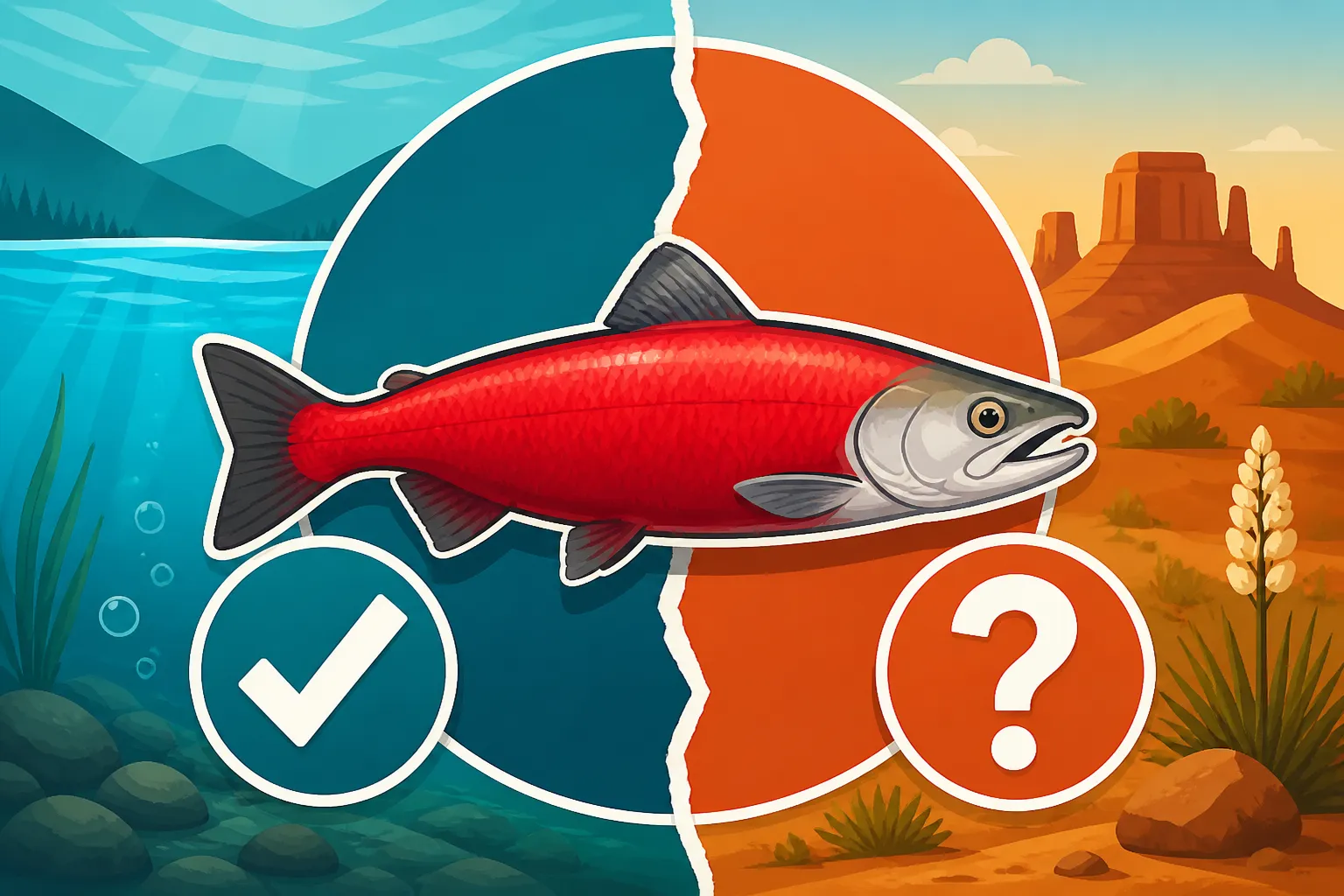
The Kokanee, however, is a bit of an outlier in the salmon family. It's actually the non-anadromous, freshwater form of the Sockeye salmon. Think of it like this: they’re essentially Sockeye salmon that never go to the ocean. They complete their entire life cycle within freshwater systems, primarily large lakes and reservoirs that mimic the deep, cold, nutrient-rich environments they would otherwise find in the ocean. This genetic adaptation means they are perfectly content living out their days in freshwater.
In New Mexico, our Kokanee populations are entirely sustained by stocking programs and natural reproduction within these specific freshwater lakes. They're a fantastic cold-water game fish, known for their brilliant silver sides and typically smaller size compared to their ocean-going cousins. As they approach spawning season, often in the fall, they undergo a dramatic transformation, developing a vibrant red body, a humped back, and a hooked jaw, making them quite a sight to behold. You can learn more about these transformations and their habits by checking out articles like What Kokanee Salmon Eat.
The Definitive Answer: Yes, New Mexico Kokanee Salmon Are Landlocked
To answer the burning question directly: Yes, Kokanee Salmon found in New Mexico are absolutely landlocked. This isn't just a quirk of our state; it's the defining characteristic of the Kokanee species wherever it's found. They are genetically distinct in their inability or unwillingness to migrate to the ocean, living their entire lives within the freshwater lake or reservoir where they were born or stocked.
This landlocked nature means they depend entirely on the conditions of their lake environment. They need deep, cold water with plenty of oxygen, especially as summer temperatures rise. They also require a robust food source, primarily zooplankton, which they filter feed on. When these conditions are met, Kokanee can thrive, offering an exciting and unique fishing opportunity for anglers. Unlike their anadromous relatives, you won't find Kokanee trying to breach dams or swim hundreds of miles upstream from the sea here in New Mexico. Their entire world is contained within the boundaries of lakes like Navajo and Heron.
This characteristic is so central to their identity that it's often part of their common name, signifying their freshwater existence. It's a testament to the adaptability of species and how even within the same family, different life strategies can evolve. For those interested in the broader picture of fish species, our Fish Species Found in New Mexico guide offers more context.
Why New Mexico's Lakes Support Landlocked Kokanee
New Mexico might be a desert state, but we're fortunate to have several large, deep, and cold reservoirs that provide ideal habitats for these landlocked salmon. Lakes like Navajo Lake, Heron Lake, and even Eagle Nest Lake are prime examples of waters where Kokanee thrive. These lakes are typically formed by damming rivers, creating expansive bodies of water that accumulate significant depths and maintain cooler temperatures throughout the year, especially in their lower strata.
The consistent cold water is paramount for Kokanee. They are extremely sensitive to warm temperatures, which can stress them and even be fatal. In New Mexico's high-desert environment, having lakes deep enough to maintain a cold-water refuge, even during our scorching summers, is critical. The water released from dams also plays a role, often being drawn from the cooler depths, benefiting downstream fisheries. This is why you'll often hear about specific thermal layers in these lakes and how that impacts where the Kokanee are holding.
Another vital aspect is the presence of ample food. Kokanee are primarily planktivorous, meaning they feed on tiny aquatic organisms called zooplankton. These lakes must have a healthy zooplankton population to sustain a vibrant Kokanee fishery. The New Mexico Department of Game and Fish actively manages these fisheries, monitoring water quality, temperature profiles, and food availability, often supplementing populations through stocking programs to ensure a consistent opportunity for anglers. Understanding these dynamics can really elevate your fishing experience, as discussed in Kokanee Salmon Fishing in New Mexico.
The Role of Stocking Programs
While some Kokanee will reproduce naturally in New Mexico's lakes, especially in suitable tributaries, stocking programs are a cornerstone of maintaining robust fisheries. Because they are landlocked and their natural spawning habitats can sometimes be limited or impacted by water fluctuations, fisheries managers introduce young Kokanee into these reservoirs.
These stocking efforts ensure a healthy population size and contribute to the overall balance of the aquatic ecosystem. It's a cycle of careful management, where fish are raised in hatcheries and then released into the lakes, providing anglers with a consistent target species. Without these deliberate programs, our Kokanee fishing opportunities would be far less consistent, if they existed at all in many locations. This management is a significant reason why anglers can enjoy fishing for Kokanee at Navajo Lake and Kokanee at Heron Lake year after year.
Lake Characteristics That Favor Kokanee
Let's look at what makes specific New Mexico lakes so suitable for Kokanee:
- Depth: Kokanee prefer deeper water, especially when surface temperatures rise. This allows them to seek refuge in the cooler, more oxygenated depths.
- Temperature Stratification: These lakes develop distinct thermal layers. The hypolimnion (the lowest, coldest layer) is crucial for Kokanee survival during warmer months.
- Nutrient Levels: Sufficient nutrient levels support the zooplankton that Kokanee feed on, which in turn means these lakes aren't too acidic or too alkaline.
- Minimal Predation: While other predatory fish exist, a balanced ecosystem means Kokanee can grow without being completely wiped out by, for example, an overabundance of aggressive bass.
- Spawning Habitat (for natural reproduction): While not strictly required due to stocking, lakes with gravelly shorelines or tributary streams that offer suitable conditions can contribute to natural reproduction, further enhancing the fishery.
Here’s a quick comparison of New Mexico's premier Kokanee lakes:
| Lake Name | Primary Kokanee Habitat Aspect | Notable Feature for Kokanee Anglers |
|---|---|---|
| Navajo Lake | Deepest, most stable temps | Consistent populations, popular for trolling, Kokanee at Navajo Lake |
| Heron Lake | Dedicated cold-water reservoir | Known for quality fish, often calmer due to no-wake zones, Heron Lake Kokanee Salmon Fishing |
| Eagle Nest Lake | High elevation, cold mountain | Good ice fishing potential, unique mountain scenery, Kokanee at Eagle Nest Lake |
Implications for Anglers: Fishing Landlocked Kokanee
Understanding that Kokanee Salmon are landlocked has several important implications for how we approach fishing for them. It means our strategies need to be tailored to a freshwater, lake-dwelling fish rather than a river-migrating, ocean-dwelling salmon.
Firstly, location is key. You're not looking for river mouths or tidal estuaries; you're looking for the deep, cold, open waters of specific reservoirs. Trolling with downriggers or lead core line is a very popular and effective method for targeting Kokanee, as it allows you to present lures and bait at the specific depths where these fish are suspended. These depths can vary significantly throughout the day and with changing seasons, so a good fish finder is invaluable.
Secondly, their diet of zooplankton means that small, bright lures and specialized baits are often most effective. Poplar choices include small dodgers or flashers paired with wedding rings, mini squids, or corn-tipped hooks. The corn is often used to add scent and visual appeal, mimicking the appearance of plankton or other small food items. You can find excellent advice on specific gear in our guide to How to Troll for Kokanee at Navajo Lake.
Seasonal Considerations
The landlocked nature of Kokanee also means their behavior is heavily influenced by the freshwater seasons.
- Spring: As ice melts and water temperatures begin to rise, Kokanee often move shallower, making them accessible to trollers and even some bank anglers. They're actively feeding and can be quite aggressive.
- Summer: This is when they retreat to the cooler, deeper parts of the lake. Anglers need to fish deeper, often using downriggers to reach the thermocline where the fish are holding. Early mornings and late evenings can sometimes see them move slightly shallower to feed.
- Fall: This is the exciting time for Kokanee, as they begin their spawning run. Their vibrant red coloration is stunning, and they become highly concentrated. This is when methods like snagging (where permitted during specific seasons) become popular, particularly at lakes like Navajo and Heron. Remember to always check the New Mexico Fishing Season Dates and Limits and any specific regulations for New Mexico Salmon Snagging Season.
- Winter (Ice Fishing): In lakes that freeze over, like Eagle Nest Lake, Kokanee can be targeted through the ice. They'll still be in deeper water, but vertical jigging with small spoons or specialized ice fishing jigs can be very productive.
Knowing these seasonal movements is crucial for success. Your tackle box should reflect these changes, with a variety of small, flashy lures suitable for different depths and times of year. You can often find suitable lures on popular online marketplaces like Amazon, or at local tackle shops that specialize in New Mexico fishing.
Regulations for Landlocked Kokanee
Because Kokanee are a managed species, it's absolutely essential to stay informed about specific regulations. Bag limits, possession limits, and even the legality of certain fishing methods (like snagging during spawning season) can vary by lake and change annually.
Always consult the current New Mexico Fishing Regulations booklet before you head out. These regulations are in place to ensure the sustainability of the fishery and to provide equitable opportunities for all anglers. Violating them can lead to significant penalties, which nobody wants when they're out enjoying the water. Our New Mexico Fishing Regulations Overview provides an excellent starting point for understanding these rules.
Remember, fishing for landlocked Kokanee Salmon in New Mexico is a truly special experience. By understanding their unique biology and how they interact with our freshwater lakes, you'll be much better equipped to enjoy the thrill of catching these beautiful, feisty fish.
Disclaimer
This article is for general informational purposes only and does not constitute professional advice. Laws, prices and regulations vary by location and change over time. Consult a qualified professional for guidance on your specific situation.