Total Number of Fish Species Living in New Mexico
It's a common question among anglers, scientists, and curious folks alike: just how many different types of fish call the Land of Enchantment home? You might think there'd be a simple, definitive answer, a solid number you could jot down and remember. But the truth is, pinning down an exact, unchanging figure for the total number of fish species living in New Mexico is a bit like trying to count ripples on a pond after a stone's been tossed – it's constantly in motion, influenced by countless factors. This guide will dive deep into why that seemingly straightforward question is actually quite complex, explore the different categories of fish that contribute to New Mexico's aquatic tapestry, and help you understand the rich diversity swimming beneath our waters.
The Elusive Number: Why It's Hard to Pin Down New Mexico's Fish Diversity
When you ask about the "total number of fish species" in a place like New Mexico, you're opening a fascinating, intricate can of worms – or, in this case, a tackle box full of questions. It's not a static number written in stone because our aquatic environments are dynamic, and so are the fish populations within them. This isn't like counting species in a closed terrarium; it's an ongoing ecological story.
One of the biggest hurdles in assigning a single, fixed number is the definition of "species living in New Mexico." Do we count only native species that have been here for millennia? What about introduced species, brought in for sport or forage, which have established self-sustaining populations? Then there are the stocked species, like many of our beloved rainbow trout, which might not reproduce naturally in some waters but are continually replenished by the state's efforts. The line between what "lives" here and what is "present" here can blur, making a simple count challenging.
Furthermore, New Mexico is a state of incredible hydrological diversity. From high-alpine trout streams nestled in the Sangre de Cristo Mountains to vast desert reservoirs like Elephant Butte Lake, and the winding Rio Grande, each habitat supports a unique community of fish. What thrives in a cold, fast-moving mountain stream is vastly different from what flourishes in a warm, slow-moving river or a deep, expansive lake. Ongoing scientific research also continually refines our understanding, sometimes reclassifying species, discovering new populations, or unfortunately, documenting the extirpation of others. It’s a living, breathing number, not a static entry in a database.
Breaking Down the Numbers: Native, Introduced, Game, and Non-Game Fish
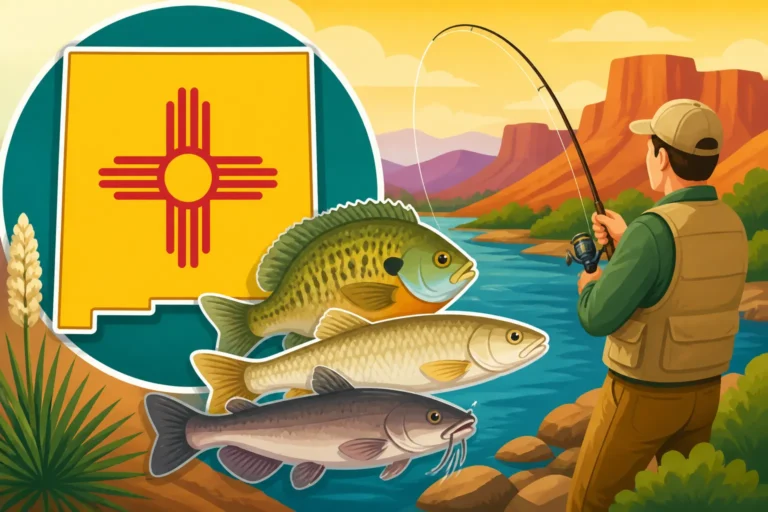
To truly grasp the diversity of Fish Species Found in New Mexico, it's helpful to categorize them rather than just seek a single total. This breakdown gives a much clearer picture of the different roles fish play in our ecosystems and in our angling experiences.
Native Fish Species: The Original Inhabitants
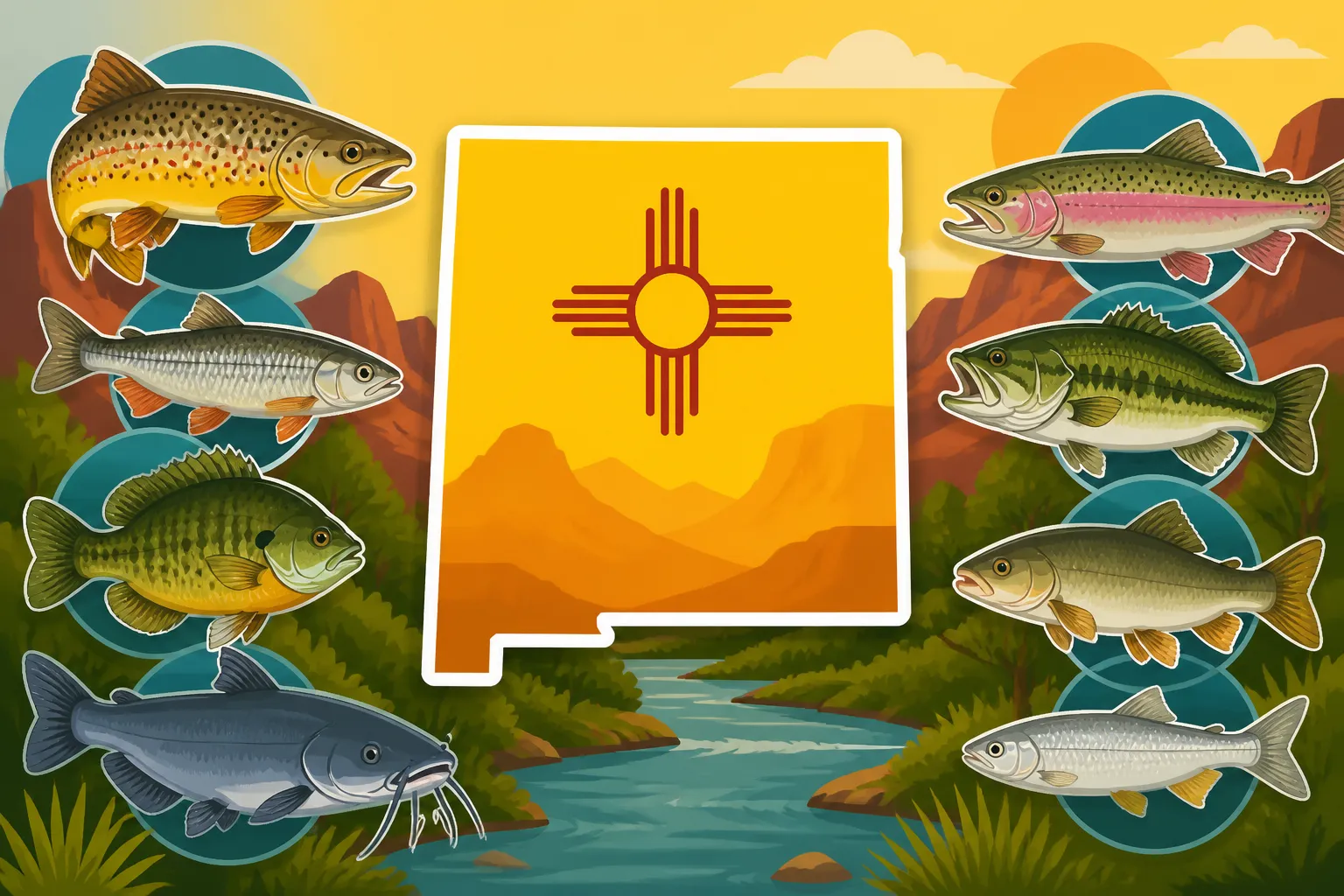
New Mexico boasts a significant number of native fish species, which are those that evolved and naturally occurred here before human introductions. These are the fish that truly belong to the unique ecosystems of the state, often adapted to specific conditions like fluctuating water levels, extreme temperatures, or unique river chemistries. The number of native species hovers around 40 to 50, though this can vary slightly depending on how subspecies are counted and what historical records are consulted. Many of these are smaller, less flashy fish that most anglers might not specifically target, but they are absolutely vital to the health of our rivers and streams.
Among the stars of our native fish are the Rio Grande Cutthroat Trout in New Mexico, the state fish, and the incredibly rare Gila Trout in New Mexico, both of which are conservation priorities. But beyond these iconic trout, you'll find native suckers, minnows, chubs, and dace, which form the base of the food chain and are critical indicators of water quality. Their presence tells a story of the land itself, a story of millennia of adaptation and survival. Understanding and protecting these native species is a huge focus for conservationists.
Introduced and Stocked Species: Angling's Mainstays
The vast majority of fish that most anglers target in New Mexico are actually introduced or stocked species. These fish were intentionally brought into the state over the last century or more, primarily to create sport fishing opportunities or to serve as forage for other game fish. The number of introduced species that have established self-sustaining populations, alongside those that are regularly stocked, adds another significant chunk to the state's total diversity. These can number anywhere from 20 to 30 additional species, greatly expanding the angling opportunities available.
Think of species like rainbow trout, which are stocked by the hundreds of thousands across the state, even in waters where they might not naturally reproduce. Brown trout also represent an introduced species that has thrived in many of our rivers. When it comes to warm water, species like largemouth bass, smallmouth bass, walleye, channel catfish, and striped bass were all introduced and have become immensely popular with anglers. For example, Striped Bass at Elephant Butte Lake is a massive draw, but these fish aren't native to New Mexico. The reason for their introduction was to create a vibrant fishery, and it's certainly succeeded. These introductions have created a rich tapestry of fishing opportunities, but they also come with ecological considerations, sometimes impacting native species. If you're looking to gear up for targeting these popular species, you can often find a wide array of specialized baits, lures, and tackle on Amazon.
Game Fish vs. Non-Game Fish
Another way to categorize New Mexico's fish is by whether they are considered "game fish" or "non-game fish." This distinction isn't just academic; it dictates fishing regulations, bag limits, and the general focus of recreational angling.
Game fish are those species that are highly valued for their recreational fishing qualities, whether it's their fighting ability, their size, or their culinary appeal. This category includes all the popular sportfish like Trout Species in New Mexico (rainbow, brown, cutthroat, Gila, lake trout, brook trout), Largemouth Bass Fishing in New Mexico and Smallmouth Bass Fishing in New Mexico, Walleye Fishing in New Mexico, Striped Bass Fishing in New Mexico, Kokanee Salmon Fishing in New Mexico, and Catfish Fishing in New Mexico. These species often have specific seasons, size limits, and bag limits designed to manage their populations sustainably. There are roughly 20-25 primary game fish species that anglers actively pursue in New Mexico, though some might classify other panfish or less common species as game fish depending on local traditions. If you're planning a trip, checking the New Mexico Fishing Regulations Overview is crucial for these species.
Non-game fish, on the other hand, include a much larger number of species that are generally not targeted by recreational anglers, either because they are too small, not considered good table fare, or are protected for ecological reasons. This includes many of our native minnows, chubs, suckers, and dace. While often overlooked by the average angler, these species are incredibly important ecologically, serving as food sources for larger fish, birds, and mammals, and playing vital roles in nutrient cycling. They are the unsung heroes of our aquatic ecosystems.
Here's a simplified breakdown to illustrate the categories:
| Category | Description | Example Species | Relative Count (Estimate) |
|---|---|---|---|
| Native Species | Naturally occurring in NM before human influence; ecologically critical. | Rio Grande Cutthroat Trout, Gila Trout, various Chubs, Dace, Suckers | 40-50 |
| Introduced/Established Species | Non-native species that have self-sustaining populations. | Brown Trout, Largemouth Bass, Smallmouth Bass, Walleye, Striped Bass | 20-30 |
| Stocked (Non-Self-Sustaining) | Species regularly introduced, often for sport, but don't typically reproduce well on their own. | Rainbow Trout (in many waters), some Catfish | Overlaps with Introduced, ~5-10 specific to stocking |
| Game Fish | Targeted by anglers for sport or food; subject to regulations. | Rainbow Trout, Brown Trout, Bass, Walleye, Catfish, Kokanee | 20-25 |
| Non-Game Fish | Not typically targeted by anglers; often smaller, ecologically important. | Various Minnows, Chubs, Suckers, Dace | 30-40+ |
Note: These numbers are estimates and can fluctuate based on reclassification, new introductions, or local extinctions.
New Mexico's Diverse Aquatic Habitats and Their Fish
The incredible range of fish species found in New Mexico isn't just a random assortment; it's a direct reflection of the state's diverse aquatic habitats. Each type of water body, from the coldest mountain stream to the warmest desert lake, creates a unique niche that different fish species have adapted to fill.
Coldwater Habitats: Mountains and Tailwaters
High in the mountains, where snowmelt feeds pristine streams and alpine lakes, you'll find New Mexico's coldwater fish. These areas are primarily home to trout species. Our state is renowned for its trout fishing, with anglers seeking out rainbows, browns, brookies, and the elusive native cutthroats. Rivers like the upper Pecos, the Rio Chama, and the Gila River's high country offer incredible opportunities for Trout Fishing Techniques for New Mexico. The water here is consistently cold, highly oxygenated, and often features rocky bottoms and plenty of cover.
Even in the desert, we have coldwater havens in the form of tailwaters – sections of rivers below large dams. The most famous example is the San Juan River below Navajo Dam, known globally as a premier trout fishery. Here, constant cold water releases from the bottom of the lake create an ideal environment for trophy trout, even in the middle of summer. Understanding these specific habitats is key to success, whether you're fly fishing with specialized flies for Fly Selection for New Mexico's San Juan River or using lures in other cold streams.
Warmwater Habitats: Reservoirs and Lower Elevation Rivers
As you move to lower elevations and into the large, man-made reservoirs that dot New Mexico's landscape, the water temperature rises, and a whole new suite of fish species takes over. These warmwater habitats are the playgrounds for anglers seeking bass, walleye, catfish, crappie, and even striped bass. Lakes like Elephant Butte, Navajo Lake (which also has cold water sections), Conchas Lake, Ute Lake, and Sumner Lake are prime examples. These waters offer varied structure, from submerged timber and rocky points to expansive flats, providing diverse cover and feeding grounds for Warm Water Game Fish in New Mexico.
In these larger bodies of water, different techniques come into play. You might be trolling for walleye, jigging for crappie, or casting crankbaits for largemouth bass. These environments are often more productive during the warmer months, offering different challenges and rewards than their coldwater counterparts. You'll find a wide variety of fishing tackle suitable for these species and conditions, often available at local sporting goods stores or through online retailers like Amazon.
Why Understanding New Mexico's Fish Diversity Matters for Anglers
For the passionate angler, understanding the diversity of fish in New Mexico isn't just about trivia; it's fundamental to successful and responsible fishing. It impacts everything from what gear you choose to where you decide to wet a line.
Tailoring Your Approach and Gear
Knowing which species inhabit a particular lake or river allows you to tailor your entire fishing approach. If you're heading to a high-mountain stream, you'll pack your trout gear – lighter rods, smaller lures or flies, and appropriate line. But if your destination is a large reservoir, you'll swap that out for bass or walleye setups, heavier lines, and a tackle box full of different baits. This is why a comprehensive guide like Best Fishing Gear for New Mexico Anglers is so valuable. Imagine showing up at Elephant Butte Lake with only ultralight trout gear, hoping to land a monster striped bass! It simply wouldn't work.
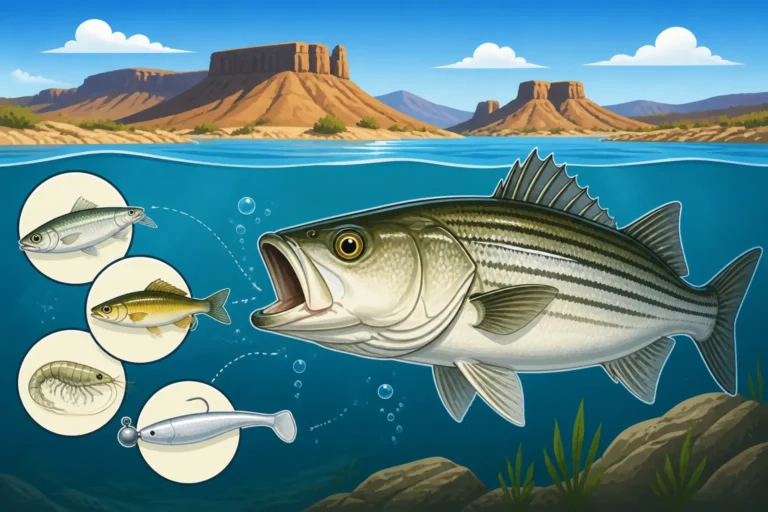
Moreover, understanding the specific feeding habits and preferred habitats of different species (e.g., What Striped Bass Eat at Elephant Butte Lake or What San Juan River Trout Eat) helps you choose the right presentation and location, significantly increasing your chances of success.
Conservation and Regulations
A deep appreciation for New Mexico's fish diversity also fosters a stronger sense of conservation. We have numerous Native Fish Species of New Mexico and Endangered Fish Species in New Mexico that require careful management and protection. Anglers who understand the importance of these species are more likely to practice catch and release, use barbless hooks, and follow regulations designed to protect vulnerable populations. The state's efforts in stocking, like those described in Stocked Trout Species in New Mexico, are crucial for maintaining healthy fisheries where native populations are sparse or non-existent.
Regulations, such as New Mexico Fishing Regulations Overview, are often species-specific, with different bag and possession limits, and even different legal methods of take, depending on what you're targeting. For instance, New Mexico Trout Fishing Rules are very precise, especially in special management areas. Being knowledgeable about the different species helps you understand why certain rules exist and how your actions contribute to the overall health of New Mexico's aquatic ecosystems. It helps us all be better stewards of these precious natural resources.
Planning Your Fishing Adventures
Finally, understanding the total spectrum of fish species in New Mexico opens up a world of possibilities for planning your fishing adventures. You might decide one weekend to chase big catfish in the Rio Grande, and the next, head to a mountain lake for brook trout. Knowing what's available and where helps you explore the incredible variety of fishing experiences our state has to offer. Whether you're interested in Best Places to Fish in New Mexico or curious about New Mexico Fishing Season Dates and Limits for a particular species, this foundational knowledge enhances every trip. The more you know about the diverse aquatic life here, the more enriching and successful your time on the water will be.
Disclaimer
This article is for general informational purposes only and does not constitute professional advice. Laws, prices and regulations vary by location and change over time. Consult a qualified professional for guidance on your specific situation.