Fish Species Found in New Mexico
One of the most exciting parts of planning a fishing trip in the Land of Enchantment is dreaming about what you're going to catch. But let's be real, New Mexico's waters can feel like a mystery, with so many different species lurking beneath the surface. It’s easy to feel overwhelmed, wondering if you're even fishing for the right kind of fish in the right spot. This comprehensive guide is here to unravel that mystery, taking you through the diverse and exciting world of fish species found in New Mexico, ensuring your next angling adventure is filled with knowledge and success.
The Majestic Trout of the High Desert
New Mexico's reputation as a trout fishing paradise is well-earned, and for good reason. From crystal-clear mountain streams to deep, cold reservoirs, the state offers incredible opportunities to pursue these beautiful and often challenging fish. Whether you're a seasoned fly-angler or just starting out with a spinning rod, there's a trout species here waiting to bend your rod. The sheer variety means you can spend a lifetime exploring different waters and techniques, never truly mastering them all.
Rainbow Trout: The Stocking Staple
Rainbow trout are, without a doubt, the most common and widely distributed trout species in New Mexico, primarily thanks to robust stocking programs by the New Mexico Department of Game and Fish. They are instantly recognizable by that iridescent pinkish-red stripe running along their sides, especially vibrant on healthy, wilder specimens. These fish are relatively forgiving, making them an excellent target for beginners and families. You’ll find them in countless urban ponds, smaller lakes, and many of the state’s rivers that receive regular stockings.
They thrive in cooler, oxygen-rich waters, often congregating near inlets, outflows, or submerged structure where food is plentiful. A simple PowerBait setup, a classic worm under a bobber, or even a basic spinner can be incredibly effective. For those who enjoy a bit more action, casting small spoons or inline spinners like a Rooster Tail can often entice aggressive strikes. Many anglers find that a medium-light spinning rod, paired with 4-6 pound test line, is perfect for these feisty fish. If you're looking to introduce someone new to fishing, particularly children, a stocked pond with rainbows is often the perfect starting point, offering consistent action and a high chance of success. Just remember, while they are stocked heavily, they still put up a respectable fight, making them a joy to catch.
Brown Trout: Wily and Wild
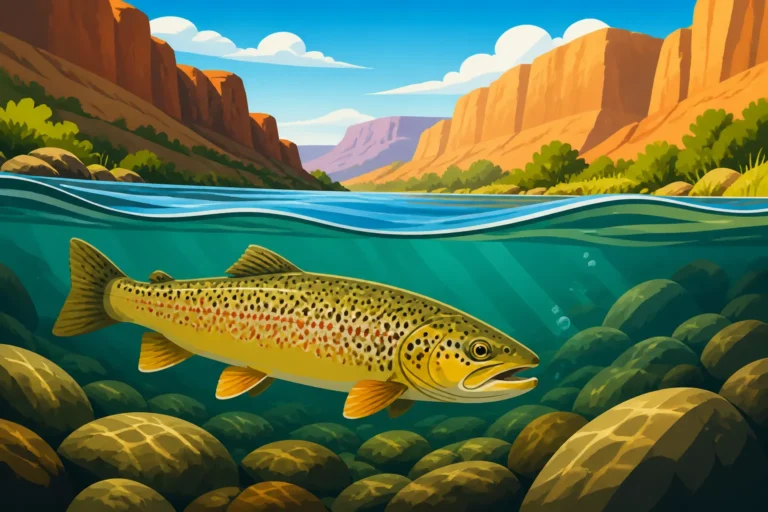
If rainbow trout are the welcoming committee, brown trout are the enigmatic elders of New Mexico's trout waters. Distinguished by their golden-brown flanks adorned with dark spots, often haloed with a lighter ring, and sometimes red spots, they possess a more predatory nature and can grow to impressive sizes. Unlike their rainbow cousins, browns are often more elusive and wary, making them a true trophy for many anglers. They prefer colder, clear rivers with plenty of overhead cover, like undercut banks, fallen logs, or deep pools where they can ambush prey.
You'll find substantial populations of brown trout in iconic New Mexico rivers such as the San Juan River below Navajo Dam, the Pecos River, and various stretches of the Rio Grande. These fish are highly nocturnal, especially the larger specimens, often venturing out at dawn, dusk, or under the cover of night to hunt. They have a particular fondness for larger meals, so if you're targeting big browns, consider using larger streamers, minnow imitations, or even mice patterns if fly fishing. For spinning anglers, crankbaits, jerkbaits, and larger spoons can often trigger a strike. Landing a large brown trout on a New Mexico river is a testament to an angler's skill and patience, often requiring a stealthy approach and an understanding of their cunning habits.
Native Cutthroats: New Mexico's Wild Heritage
To many, the native cutthroat trout, particularly the Rio Grande Cutthroat, represents the pinnacle of New Mexico's trout fishing experience. These aren't just fish; they're living symbols of the state's wild, untamed heritage. Identified by the distinctive red or orange "slash" mark under their jaw (hence the name), their coloration can vary dramatically depending on the specific water, often displaying vibrant golds, olives, and even deep reds. The Rio Grande Cutthroat is New Mexico's state fish, and finding them often means venturing into pristine, high-elevation streams and alpine lakes.
Fishing for cutthroats often involves a journey, hiking into remote wilderness areas where these fish thrive in their natural, unspoiled habitats. They typically feed on insects, so dry flies, nymphs, and small streamers are excellent choices for fly anglers. Spinners can also be effective in some areas. Conservation is paramount when pursuing these species; many populations are fragile, and anglers are strongly encouraged, and often required, to practice catch and release. Understanding the unique markings and habitat of these native fish is crucial, not just for identification, but for appreciating their importance to the ecosystem. If you want to dive deeper into identifying this incredible species, check out How to Identify a Rio Grande Cutthroat Trout. Catching a native cutthroat is more than just a fish; it's an encounter with history and a reminder of the precious wildness that still exists in New Mexico.
Other Trout Species: Brook and Lake Trout
While not as widespread as rainbows or browns, New Mexico is also home to other fascinating trout species that add to its angling diversity. Brook trout, often mistaken for a true trout but actually a char, are stunningly beautiful fish with distinctive worm-like markings (vermiculations) on their backs and a vibrant array of colors, often including red spots with blue halos and white leading edges on their fins. They typically inhabit smaller, colder, high-gradient streams and some alpine lakes, preferring the chilliest and most oxygenated waters.
These smaller, feisty fish are a delight to catch on light tackle, readily taking small dry flies, nymphs, or tiny spinners. Their beauty and the serene environments in which they are found make targeting them a uniquely rewarding experience. If you’ve ever wondered, Are There Brook Trout in New Mexico?, the answer is yes, and they are worth seeking out. Lake trout, another char species, are much larger, deep-water predators. While not native to New Mexico, they have been introduced to certain deep, cold reservoirs like Heron Lake. These fish are challenging to catch, preferring the frigid depths, and often require specialized techniques like deep trolling with downriggers or jigging heavy spoons. A true trophy fish, a successful lake trout angler in New Mexico is often equipped for a serious battle in the cold abyss.
Warm Water Wonders: Bass and Panfish
Beyond the frosty mountain streams, New Mexico’s larger reservoirs and warmer rivers offer a completely different, yet equally thrilling, angling experience. These warmer waters are home to a vibrant array of species, particularly various types of bass and a multitude of panfish, providing exciting action for anglers of all skill levels. The chase for a trophy bass or an afternoon filled with panfish bites presents a different kind of challenge and reward compared to trout fishing.
Largemouth Bass: The Reservoir King
The largemouth bass is undeniably one of the most popular game fish in New Mexico's warmer waters, holding the title of "King" in many reservoirs. These powerful, aggressive predators are characterized by their large mouths that extend beyond the eye and their dark green, blotchy patterns designed for camouflage in vegetated areas. They absolutely thrive in lakes and reservoirs with abundant cover—think submerged timber, weed beds, rocky points, and brush piles. New Mexico's premier largemouth destinations include places like Elephant Butte Lake, Conchas Lake, and Ute Lake, where big bass often lurk.
Anglers targeting largemouth bass employ a wide array of techniques, from throwing plastic worms and jigs into heavy cover to burning spinnerbaits and crankbaits along shorelines. Topwater lures, especially during early morning or late evening, can provide heart-stopping blow-ups as a big bass explodes on the surface. Understanding the seasonal patterns of largemouth bass is key to consistent success; they move from shallow spawning areas in spring to deeper, cooler waters in summer, and back to shallower feeding grounds in fall. Catching a lunker largemouth in New Mexico often requires patience, precision casting, and the right tackle to wrestle them out of heavy cover. For insights on regulations, see New Mexico Statewide Bag Limit for Bass.
Smallmouth Bass: River and Rock Dwellers
While their largemouth cousins prefer dense cover, smallmouth bass are masters of rocky, clear-water environments. Distinguished by their smaller mouths that don't extend past the eye, and their distinctive vertical bars or blotches, these fish are renowned for their incredible fighting ability, often leaping clear of the water when hooked. They are absolute powerhouses on the end of a line, providing a spirited battle that few other freshwater fish can match. In New Mexico, you'll primarily find smallmouths inhabiting rocky lakes and reservoirs with cooler, clearer water, such as Abiquiu Lake, Navajo Lake, and portions of the Rio Grande.
Smallmouth bass love structure—rock piles, ledges, riprap, and current breaks are all prime real estate for these bronze beauties. They feed on crayfish, minnows, and aquatic insects, making lures that mimic these food sources highly effective. Jigs, tube baits, small crankbaits, and even topwater poppers can elicit explosive strikes. Fly anglers will find success with crayfish patterns and streamers. Fishing for smallmouth often involves searching for rocky features, making precise casts, and being ready for an immediate fight once they hit your lure. If you're looking for where to target these hard-fighting fish, Where to Catch Smallmouth Bass in New Mexico is a great resource.
Crappie and Bluegill: Panfish Fun for All Ages
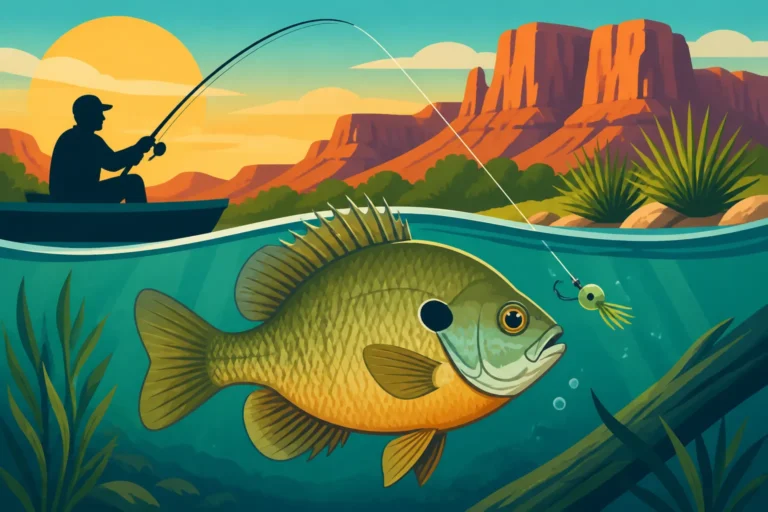
When it comes to sheer numbers and consistent action, New Mexico's panfish scene is tough to beat. Crappie and bluegill (and their sunfish relatives) are the unsung heroes of family fishing trips, offering abundant opportunities for anglers of all ages and skill levels. Crappie, both black and white varieties, are delicious fish known for their schooling behavior and preference for submerged timber, brush piles, and bridge pilings. They bite delicately but gather in impressive numbers, making it possible to fill a cooler quickly when you find a school.
Popular crappie destinations include Conchas Lake, Ute Lake, and Elephant Butte Lake. Small jigs, minnows under a bobber, or tiny spinners are usually all you need. You can learn more about targeting these tasty fish in Crappie Fishing in New Mexico. Bluegill and other sunfish, on the other hand, are the quintessential beginner's fish. They're found in almost every warm water body in the state, from small ponds to large reservoirs. Eager biters, they'll readily take a small piece of worm, corn, or even a tiny artificial fly. Their aggressive nature and vibrant colors make them a delight for children and a fun diversion for experienced anglers. For tips on engaging young anglers, check out Best Way to Catch Bluegill With Kids. Often found in shallower, vegetated areas, bluegill provide endless entertainment and are the perfect introduction to the joys of fishing.
The Hard-Fighting Catfish and Their Cousins
For many anglers, there’s nothing quite like the primal tug of a big catfish on the end of the line. New Mexico's rivers and reservoirs are home to several species of catfish, each offering a unique challenge and rewarding experience. These fish are known for their incredible strength, often thriving in waters that might be too warm or murky for other game fish, and their reputation as delicious table fare.
Channel Catfish: The Omnivorous Bottom Feeder
The channel catfish is perhaps the most widely recognized and sought-after catfish species in New Mexico. Easily identified by their sleek, spotted bodies (though spots can fade with age), deeply forked tails, and long whiskers (barbels), these fish are true omnivores, feeding on almost anything they can find. They are incredibly adaptable, inhabiting a vast range of waters across the state, from the muddy bottoms of the Rio Grande and Pecos Rivers to the open waters of Elephant Butte Lake and Caballo Lake.
Fishing for channel cats is often a relaxed, social affair. Anglers typically set up on the bank with multiple rods, casting out baits like prepared stink baits, cut bait (especially shad or carp), chicken livers, or even hot dogs. These baits are usually presented on the bottom, often with a simple Carolina rig or a three-way swivel setup, allowing the bait to sit right where the catfish are feeding. Night fishing for channel catfish is particularly popular during the warmer months, as these fish become more active after dark, cruising the shallows in search of food. They offer a powerful, sustained fight, and their flaky, white meat is considered excellent eating by many. Make sure you understand the rules around keeping these fish by reviewing the Catfish Limit in New Mexico.
Flathead Catfish: The Ambush Predator
If the channel catfish is the opportunistic scavenger, the flathead catfish is the patient, formidable ambush predator. These are the giants of New Mexico's catfish world, known for their immense size, broad, flat heads, and powerful, unforked tails. Unlike channel cats, flatheads are almost exclusively piscivorous, meaning they prefer live bait. Their diet consists mainly of other fish, and they are incredibly efficient hunters, often lying in wait in deep holes, near submerged logs, or under cut banks, ready to pounce on unsuspecting prey.
Targeting flatheads is a serious endeavor, requiring heavy tackle, strong lines, and most importantly, fresh, live bait like bluegill, carp, or large minnows. You’ll find flatheads in the larger, warmer rivers of New Mexico, particularly the Rio Grande, and some of the larger reservoirs. Due to their preference for live prey and their tendency to hold in heavy cover, fighting a large flathead is a test of strength and endurance. It’s not uncommon for anglers to spend entire nights patiently waiting for that tell-tale, slow pull of a truly massive flathead. Their meat is also highly prized, often described as firmer and less "fishy" than channel catfish.
Specialized and Striking Species
Beyond the familiar trout, bass, and catfish, New Mexico's diverse aquatic ecosystems harbor several other fascinating game fish, each with its own unique characteristics, habitats, and angling challenges. These specialized species add another layer of excitement and variety to the state's fishing opportunities, appealing to anglers looking for something a little different or a truly memorable trophy.
Walleye: The Elusive Eye
The walleye is a highly prized game fish in New Mexico, particularly celebrated for its delicious, flaky white meat. Named for their large, reflective eyes adapted for low-light conditions, these fish are often characterized by their torpedo-shaped bodies, olive-green backs, and white bellies, with a distinctive white tip on the lower lobe of their tail fin. Walleye are schooling fish and prefer deeper, cooler, often turbid waters in large reservoirs, where they feed on baitfish. They are notoriously elusive during the day, becoming more active at dawn, dusk, and throughout the night.
In New Mexico, prime walleye fishing can be found at lakes like Ute Lake, Conchas Lake, and Elephant Butte Lake. Anglers targeting walleye often employ techniques that keep baits near the bottom, such as jigging with lead head jigs tipped with minnows or soft plastics, or slow-trolling crankbaits or spinner-and-worm rigs. Understanding the lake's contours and locating submerged humps, points, and old river channels is crucial for finding these schooling fish. For more details on targeting this sought-after species, refer to Walleye Fishing in New Mexico. Their delicate bite, combined with their tendency to move in schools, makes landing a stringer of walleye a true accomplishment, and a fantastic culinary reward.
Striped Bass: Reservoir Powerhouses
For sheer brute strength and an aggressive fight, few freshwater fish in New Mexico can compare to the striped bass, often affectionately called "stripers." These formidable predators are an introduced species that have thrived in the vast open waters of certain New Mexico reservoirs, most notably Elephant Butte Lake. Stripers are easily identifiable by their silver bodies with seven or eight dark, horizontal stripes running from head to tail. They are pelagic hunters, meaning they spend most of their lives in the open water, relentlessly chasing schools of shad and other baitfish.
The chase for striped bass is an exhilarating experience. Anglers often locate schools of stripers by watching for diving birds or surface disturbances where the stripers are actively "boiling" baitfish. Topwater lures, large swimbaits, jerkbaits, and even live shad are highly effective. Trolling deep-diving crankbaits or umbrella rigs can also be productive when fish are holding deeper. The fight of a striper is legendary; they make powerful runs and pull hard, testing both angler and tackle. Catching a large striper, especially during a surface blitz, is an unforgettable experience for any angler. If you're heading to Elephant Butte, don't miss our guide on Striped Bass Fishing in New Mexico. Many anglers use specific heavier rods and reels, often found on platforms like Amazon, to handle the powerful strikes and runs of these magnificent fish.
Kokanee Salmon: Landlocked Jewels
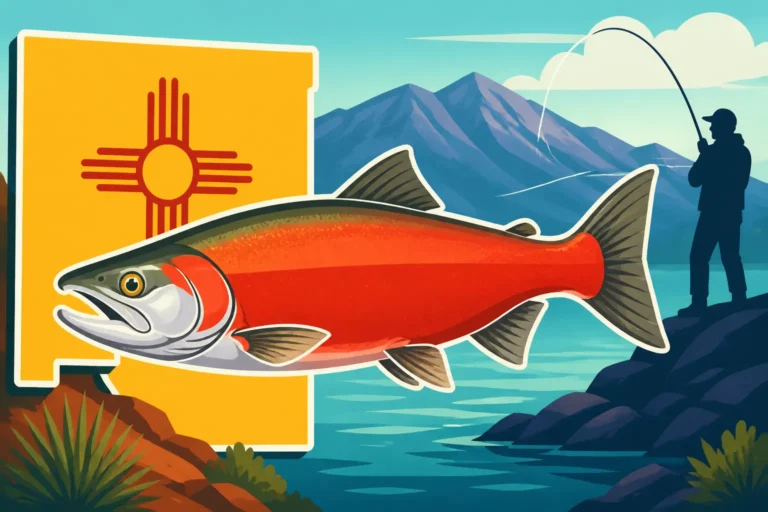
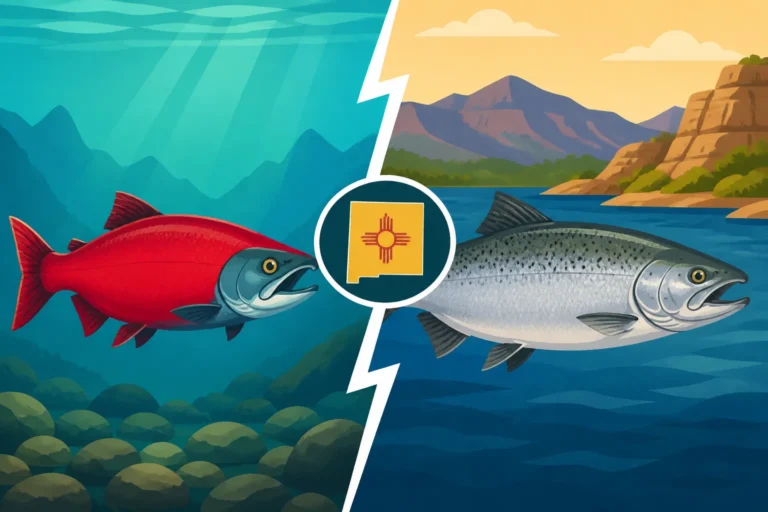
Kokanee salmon are a unique and beautiful species in New Mexico, offering a distinct fishing experience. These landlocked sockeye salmon are characterized by their sleek, silvery bodies, which turn a brilliant red during their spawning run. They are plankton feeders for most of their lives, inhabiting the deep, cold waters of reservoirs like Navajo Lake, Heron Lake, and Eagle Nest Lake. Kokanee are known for their delicate mouths and spirited, though not overly powerful, fights.
Anglers primarily target kokanee by trolling with specialized gear like dodgers and flashers, followed by small hoochies, wedding rings, or corn-tipped lures, often at specific depths where the fish are holding. Depth finders are invaluable for locating the thermocline and schools of kokanee. During their spawning season, typically in the fall, kokanee become accessible to shore anglers as they move into shallower areas and river inlets, providing a unique "snagging" opportunity where legal. Catching kokanee is a delicate art, requiring patience and a good understanding of their habits. For a deeper dive into targeting these beautiful fish, consult Kokanee Salmon Fishing in New Mexico. Their firm, orange-red flesh is highly sought after for its mild, delicious flavor.
Tiger Muskie: The Apex Predator
For the ultimate challenge in New Mexico's fishing scene, look no further than the tiger muskie. This hybrid species, a sterile cross between a northern pike and a muskellunge, is aptly nicknamed "the fish of 10,000 casts" for its elusive nature. Tiger muskies are sleek, formidable predators with a distinctive striped or barred pattern that sets them apart. They possess an impressive set of teeth and a voracious appetite, making them apex predators wherever they are stocked. In New Mexico, Bluewater Lake is the primary destination for tiger muskie, though other waters may occasionally hold them.
Targeting tiger muskies requires specialized heavy-duty gear, including stout rods, baitcasting reels, and heavy braided line, often with a steel or heavy fluorocarbon leader to prevent bite-offs. Lures are typically large and imposing—think giant bucktails, enormous crankbaits, or foot-long glide baits designed to entice a reaction strike from these powerful fish. The fight of a tiger muskie is short but incredibly explosive, often characterized by powerful head shakes and violent runs. Many muskie anglers practice catch and release, carefully handling these majestic fish to ensure their survival. If you're up for the challenge of pursuing this freshwater leviathan, our guide on Tiger Muskie in New Mexico is essential reading.
Lesser-Known but Still Exciting Catches
While the trophy species often grab the headlines, New Mexico's waters are also teeming with other fish that, while perhaps less famous, offer fantastic angling opportunities. These species provide consistent action, are often excellent table fare, and can add surprising diversity to your fishing adventures. Don't overlook them – sometimes, the most unexpected catches are the most fun.
White Bass: Schooling Fervor
White bass are energetic, schooling fish that can provide fast and furious action, especially when they are actively feeding. These smaller cousins of the striped bass share a similar torpedo shape and silvery appearance, though they typically have fainter, broken stripes and don't grow to the massive sizes of their striper relatives. White bass are prolific spawners and often found in large schools, particularly during their spring spawning runs up river tributaries or when they're busting bait on the surface in open water.
In New Mexico, white bass are primarily found in the larger reservoirs that also hold striped bass, such as Elephant Butte Lake, Sumner Lake, and Ute Lake. They feed aggressively on shad and other small baitfish, making them susceptible to a variety of artificial lures. Small inline spinners, spoons, jigs, and small crankbaits are all highly effective. When you find a school of white bass actively feeding, it's not uncommon to catch fish on nearly every cast, providing an exhilarating experience. They are also quite tasty, making them a popular target for anglers looking to fill a cooler. Often, anglers will have a dedicated tackle box, purchased from places like Amazon, filled with these smaller, fast-action lures just for white bass.
Freshwater Drum: The Bottom Bouncer
Often overlooked by anglers pursuing more glamorous species, the freshwater drum (also known as sheepshead or gaspergou) is a surprisingly strong-fighting fish found in some of New Mexico's larger river systems and reservoirs. They are characterized by their deep, silvery bodies, humped back, and down-turned mouth, which is perfectly adapted for grubbing along the bottom for invertebrates, small crustaceans, and mollusks. While not typically a targeted species, they are a common bycatch and can provide a thrilling fight on light to medium tackle.
You'll encounter freshwater drum in the Rio Grande, Pecos River, and larger reservoirs like Elephant Butte Lake. They are bottom feeders, so anglers using natural baits like worms, shrimp, or cut bait intended for catfish or carp will often hook into drum. They put up a determined, head-shaking fight, sometimes surprising unsuspecting anglers with their power. While not as universally praised for table fare as some other species, their meat is white and firm, and they can be quite good when prepared properly. Catching a large freshwater drum on an otherwise slow day can definitely add some excitement to your outing.
Understanding Stocking and Native Efforts
Behind the scenes of every successful fishing trip in New Mexico are the dedicated efforts of biologists and conservationists. Understanding how fish populations are managed—through stocking, habitat improvements, and strict regulations—gives anglers a deeper appreciation for the resource and encourages responsible stewardship. It's a delicate balance of providing ample angling opportunities while safeguarding the state's precious natural heritage.
How Stocking Enhances Opportunities
The stocking program in New Mexico is a cornerstone of its recreational fishing opportunities, particularly for trout. Without these efforts, many popular fishing destinations would not be able to sustain the angling pressure they receive or support healthy fish populations in waters that might otherwise be marginal. The New Mexico Department of Game and Fish regularly stocks various species, with rainbow trout being the most common, into lakes, rivers, and urban ponds across the state. These stockings aim to supplement natural reproduction, create "put-and-take" fisheries, and ensure consistent opportunities for anglers.
For instance, many urban ponds in Albuquerque, Santa Fe, and other communities receive regular trout stockings, often transforming accessible local waters into vibrant fisheries for families and youth. These efforts are particularly vital in areas where natural trout reproduction is limited due to warmer temperatures or habitat constraints. Anglers can often find stocking schedules published online, which helps in planning successful trips. The existence of these stocked fish means more people can experience the joy of fishing close to home, learning the ropes before venturing into more challenging wild fisheries. For a more detailed look at what's stocked, check out Stocked Trout Species in New Mexico. The artificial lures and baits needed for these frequently stocked fish are readily available from retailers like Amazon, making it easy for anyone to get started.
Conservation of Native and Sensitive Species
While stocking boosts recreational fishing, a significant focus of New Mexico's wildlife management is on the conservation and recovery of its native fish species. These efforts are critical for maintaining biodiversity and preserving the unique genetic heritage of fish that have evolved in New Mexico's specific ecosystems for millennia. The Rio Grande Cutthroat Trout, as the state fish, and the Gila Trout are prime examples of species that have received considerable attention and resources for their protection and restoration.
For species like the Gila Trout, conservation has involved extensive habitat restoration, removal of non-native species, and the establishment of "refuge" populations in protected streams. Many Gila Trout waters are regulated with strict catch-and-release rules, often requiring barbless hooks and artificial lures only, to minimize impact on these vulnerable populations. Anglers who pursue these fish understand that it's not just about the catch, but about participating in a vital conservation effort. These special regulations are designed to ensure that future generations can also experience the thrill of catching these rare and beautiful native fish. Learning about Gila Trout in New Mexico is an excellent way to appreciate these unique conservation challenges. Respecting these rules and understanding their purpose is crucial for every angler who steps foot in New Mexico's precious wild waters.
A Quick Look at New Mexico's Primary Game Fish
To help you get a clearer picture of the diverse angling opportunities, here's a quick overview of some of New Mexico's most popular game fish:
| Fish Species | Primary Habitat | Common Lures/Baits | Typical Size Range | Best Time to Fish |
|---|---|---|---|---|
| Rainbow Trout | Stocked lakes, urban ponds, cold rivers | PowerBait, worms, spinners, small flies | 10-20 inches | Year-round, especially spring/fall |
| Brown Trout | Cold, clear rivers, deep pools, undercut banks | Streamers, minnow imitations, crankbaits, larger flies | 12-25+ inches | Spring, Fall, Night (for big fish) |
| Rio Grande Cutthroat Trout | High-elevation streams, alpine lakes | Dry flies, nymphs, small spinners | 8-15 inches | Summer, Early Fall |
| Largemouth Bass | Vegetated reservoirs, submerged structure | Plastic worms, jigs, spinnerbaits, crankbaits | 12-20+ inches | Spring, Summer, Fall |
| Smallmouth Bass | Rocky lakes/rivers, current breaks | Jigs, tube baits, small crankbaits, crayfish imitations | 10-18 inches | Spring, Summer, Fall |
| Channel Catfish | Rivers, warm reservoirs, muddy bottoms | Stink bait, cut bait, worms, chicken livers | 1-15 lbs (larger possible) | Summer, Night Fishing |
| Walleye | Deep, turbid reservoirs, humps, ledges | Jigs (tipped), crankbaits, spinner-worm rigs | 15-25 inches | Spring, Fall, Night, Winter (ice) |
| Striped Bass | Large, open reservoirs (Elephant Butte) | Topwater, swimbaits, jerkbaits, live shad | 5-25+ lbs | Year-round, esp. spring/fall |
| Kokanee Salmon | Deep, cold reservoirs (Navajo, Heron) | Trolled hoochies, wedding rings (corn-tipped) | 12-18 inches | Summer, Fall (snagging) |
| Tiger Muskie | Bluewater Lake, heavy cover | Large bucktails, crankbaits, glide baits | 25-45+ inches | Spring, Fall |
Disclaimer
This article is for general informational purposes only and does not constitute professional advice. Laws, prices and regulations vary by location and change over time. Consult a qualified professional for guidance on your specific situation.