Best Jig Color for New Mexico Walleye
Oh, the eternal question for us walleye anglers in New Mexico: "What's the best jig color?" It’s a question that’s probably launched a thousand arguments on the docks and in fishing forums, leaving many of us scratching our heads and second-guessing our tackle boxes. You're out there, the conditions feel right, but the fish just aren't biting, and you start to wonder if you picked the wrong shade of plastic. This guide is all about cutting through the noise and helping you understand how to pick the perfect jig color for those elusive New Mexico walleye, no matter the conditions you face on the water.
Understanding Walleye Vision and Behavior
Before we even start talking about specific colors, it’s really helpful to get into the mind (and eyes!) of a walleye. These fish are masters of low-light conditions, which means their vision is uniquely adapted to seeing in the dimmer parts of our New Mexico lakes and reservoirs. Knowing this helps us make much more informed decisions about what colors will truly stand out and entice a strike.
How Walleye See Color in Different Depths
Think about being underwater yourself. The deeper you go, the more the light changes, right? It's the same for walleye, but even more pronounced for them. Water acts like a giant filter, absorbing certain wavelengths of light faster than others. This is a critical factor when you're trying to figure out your jig color.
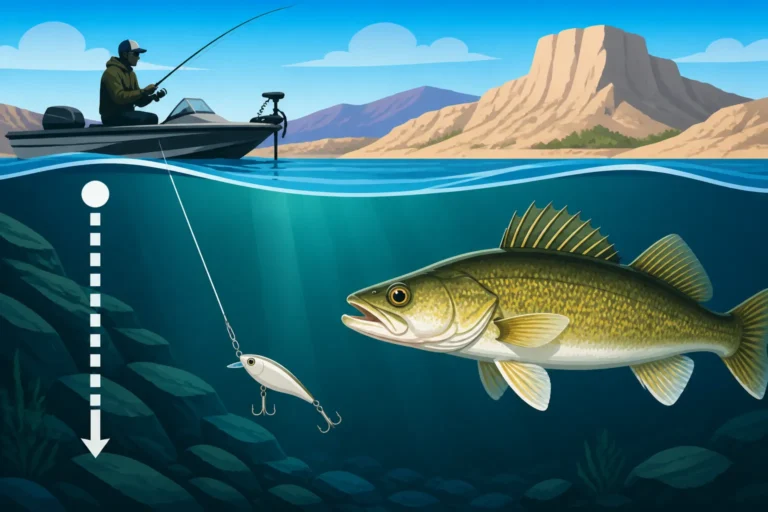
For instance, red is the first color to disappear as you go deeper. Below about 15-20 feet, red looks gray or even black to a walleye. So, if you're targeting fish in the deeper channels of Elephant Butte Lake or the submerged humps of Ute Lake, a bright red jig isn't going to look "red" at all. It might still work due to its contrast, but not because of its vibrant red hue. After red, orange and yellow start to fade. Greens and blues, on the other hand, penetrate much deeper. This means that if you're fishing 30-40 feet down, blues and greens will retain some of their color, while everything else will look muted or colorless. This scientific reality is why you’ll often hear experienced anglers talk about darker jigs for deeper water—it's not always about matching the forage, but about creating a strong silhouette against the minimal light. Understanding the nuances of Walleye Fishing in New Mexico truly begins with understanding how they perceive their environment.
Factors Influencing Walleye's Color Preference
It's never as simple as "red for spring, green for summer." Walleye are finicky, and their color preferences can shift dramatically based on a handful of environmental factors. Being able to read these conditions and adjust your jig color accordingly is what separates a good walleye angler from a truly great one.
Water clarity is perhaps the biggest influencer. In crystal-clear waters, like some parts of Heron Lake, walleye can be quite sight-oriented. Here, natural, subtle colors that mimic the local baitfish—think muted greens, browns, and silvers—often perform best. If the water is stained or muddy, which can happen in spring runoff or after heavy rains at lakes like Conchas Lake, brighter, more contrasting colors like chartreuse, orange, or even glow-in-the-dark options become incredibly effective. These vibrant shades create a stronger profile and flash that can be seen even in low visibility. Light conditions also play a huge role. On bright, sunny days, fish might shy away from overly flashy jigs, preferring natural tones. But on overcast days, or during dawn and dusk, a pop of bright color can be the ticket to grabbing their attention. Finally, what are the walleye eating? If there's an abundance of gizzard shad, a silver or white jig is a great choice. If they're keying in on perch, then jigs with patterns of yellow, green, and orange might be more successful. Always consider the forage base in the specific New Mexico lake you're fishing.
Top Jig Colors for New Mexico Walleye
While the perfect color can change day-to-day, there are some tried-and-true jig colors that consistently produce walleye across New Mexico. These are the staples, the ones you absolutely need in your tackle box, along with an understanding of when and why they work best.
The Universally Effective Shades
Let's talk about the workhorses, the colors that have earned their place in nearly every successful walleye angler's arsenal. You can find a huge variety of these options easily on Amazon, ensuring you're ready for any situation.
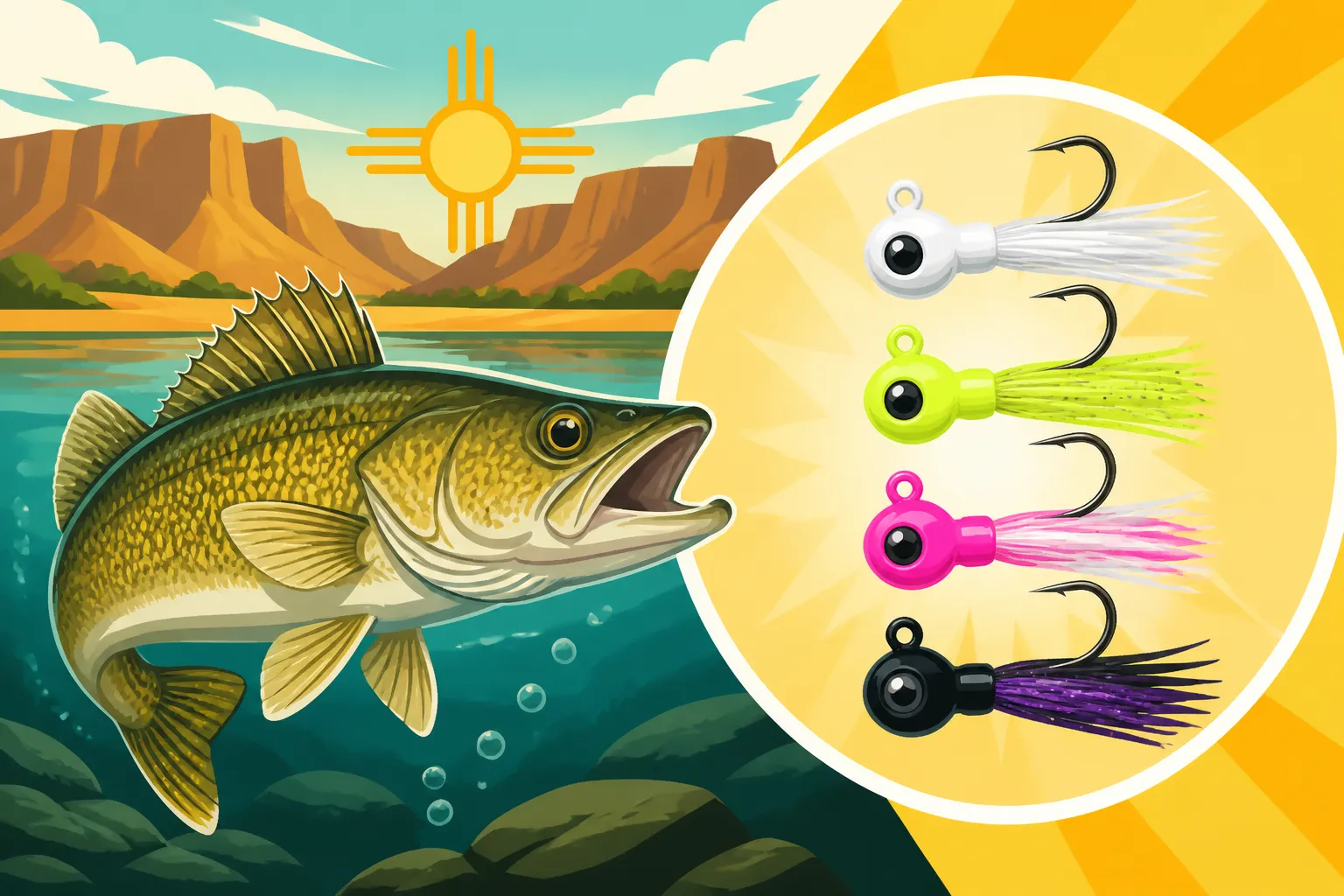
- White/Pearl: This is often the first jig color I reach for, especially in clearer water. White and pearl jigs are fantastic for imitating many common baitfish species, like shad or small minnows, that walleye prey upon. They also offer excellent contrast, particularly on overcast days or in slightly stained water, without being overly aggressive. On a bright, sunny day at a clear lake, a pearl white jig with a hint of silver flake can be absolutely deadly. It looks natural, subtle, and incredibly appealing to a hungry walleye.
- Chartreuse/Green: When the water gets a bit stained, or the light is low (think early morning or late evening), chartreuse and various shades of green truly shine. These colors have excellent visibility in murkier conditions because they reflect a lot of light. Walleye are highly attuned to these wavelengths. Chartreuse can also mimic the natural greens of certain baitfish or even algae blooms, making it seem like an easy meal. If you're fishing Walleye at Conchas Lake after a rain, don't be surprised if chartreuse outfishes everything else.
- Orange/Firetiger: Sometimes, you need to trigger a reaction strike, especially when fish are aggressive or when fishing in heavily stained or dirty water. Orange, particularly in patterns like firetiger (a mix of bright orange, yellow, and green stripes), is fantastic for this. Its high contrast and vibrant hues make it impossible for a walleye to ignore. It's not always about mimicking a natural prey item; sometimes it's about making so much noise (visually speaking) that the fish just has to hit it.
- Yellow: Similar to chartreuse, yellow offers good visibility in stained water and low light. It's a classic color that has produced countless walleye over the years. Many anglers swear by a yellow jig with a white or orange tail, especially when tipped with a minnow. It creates a bold profile that walleye can easily hone in on.
- Black/Dark Blue: These colors might seem counterintuitive to some, but they are incredibly effective in two very specific scenarios: very deep water and night fishing. In deep water, where most light wavelengths have been absorbed, a black or dark blue jig creates a sharp, clear silhouette against the ambient light from above. This silhouette is easy for walleye to spot. At night, a black jig again provides maximum contrast against the moonlight or even artificial boat lights, making it a visible target for walleye that are actively feeding in the dark.
When to Experiment with Subtle vs. Bold
The art of walleye fishing often comes down to knowing when to be subtle and when to be bold. This applies directly to your jig color choices.
On clear, calm days, especially in waters with heavy fishing pressure, walleye can become very wary. This is when you want to lean heavily on natural, muted colors. Think about a shad pattern with subtle silver flakes, or a jig in a natural minnow brown or olive green. The goal here isn't to shock them into biting, but to present something so realistic and non-threatening that they can't resist. These conditions demand a finesse approach where every detail, including the exact shade and how it blends with the water, can make a difference. Many of the most effective jigs for these scenarios are those that perfectly mimic the local baitfish, right down to their natural shimmer.
Conversely, on cloudy, windy days, or when the water is stained or murky, that's your cue to go bold. These are the conditions where high-contrast, fluorescent colors like firetiger, bright chartreuse, or even hot pink can be incredibly effective. The choppiness of the water, the lack of direct sunlight, and the reduced visibility actually work in your favor by making those loud colors less "unnatural" and more like an urgent, easy-to-spot meal. These colors create a visual "hot spot" that walleye can home in on, even if they're not seeing the color as vividly as you might above water. It's about providing a clear target in a chaotic environment. When you're fishing for Walleye at Clayton Lake, especially on a breezy day, don't be afraid to tie on something that really pops!
Matching Jig Colors to New Mexico's Diverse Waters and Seasons
New Mexico isn't a one-size-fits-all fishing destination. From the high mountain lakes to the vast southern reservoirs, conditions vary wildly, and so should your approach to jig color. Understanding these regional and seasonal nuances can significantly boost your success.
Seasonal and Water-Specific Color Strategies
The changing seasons and the unique characteristics of each body of water demand a flexible jig color strategy. What works in spring might not work in fall, and what’s hot in Elephant Butte Lake might be a dud in Navajo Lake.
- Spring: Early season in New Mexico often means cold water, and sometimes stained conditions due to spring runoff. Walleye are waking up, but can still be lethargic. Brighter colors like orange and chartreuse are fantastic. They offer high visibility in cooler, often murkier water, and can trigger reaction bites from sluggish fish. As the water warms slightly and clears, you can transition to more natural white or silver patterns. Don't forget about Fishing New Mexico's Cold Tailwaters in Winter, where clear, cold conditions might call for more subtle, small jigs.
- Summer: New Mexico summers bring warmer water and often clearer conditions in many reservoirs. Walleye typically move deeper to find cooler, more oxygenated water. This is when natural colors like shad-patterned jigs, or white/pearl, become very effective for mimicking deeper-dwelling baitfish. However, if you're fishing in low light (dawn/dusk) or very deep structure, a black or dark blue jig can create that essential silhouette. Remember, Fishing New Mexico Reservoirs in Summer Heat often means targeting thermoclines.
- Fall: As water temperatures cool, walleye often become incredibly active and aggressive, feeding heavily before winter. This can be a fantastic time to fish. A mix of bright and natural colors can work depending on the day. Aggressive fish might respond well to firetiger or bright orange, while those keying on a specific forage will hit natural shad or perch patterns. This is also when you might see increased activity in shallower feeding areas, making it a prime time to experiment. For those interested in other species, note that Heron Lake Kokanee Salmon Fishing also heats up in the fall.
- Winter/Ice Fishing: If you're venturing out for Ice Fishing in New Mexico, the water beneath the ice is typically very clear. Here, subtle natural colors (whites, silvers, light greens) or glow-in-the-dark jigs are often the ticket. Glow jigs can be "charged" with a flashlight, providing a beacon for fish under the dark ice. Small, delicate presentations are usually key.
- Lake Specifics: For instance, in Elephant Butte Lake, with its abundant gizzard shad, a white, pearl, or silver jig often performs exceptionally well. For Elephant Butte Lake Walleye Fishing, matching the primary forage is crucial. In contrast, at Conchas Lake, which can have varying clarity, having a range from natural shad to bright chartreuse and orange will serve you best. These variations make it important to check the local conditions and tailor your approach, sometimes even daily. Many anglers consult the New Mexico Fishing Season Calendar to anticipate these shifts.
Jig Styles and Their Impact on Color Perception
It's not just the color of the jig head; the entire presentation, including the jig head's shape and the type of soft plastic or live bait trailer, influences how a walleye perceives your offering.
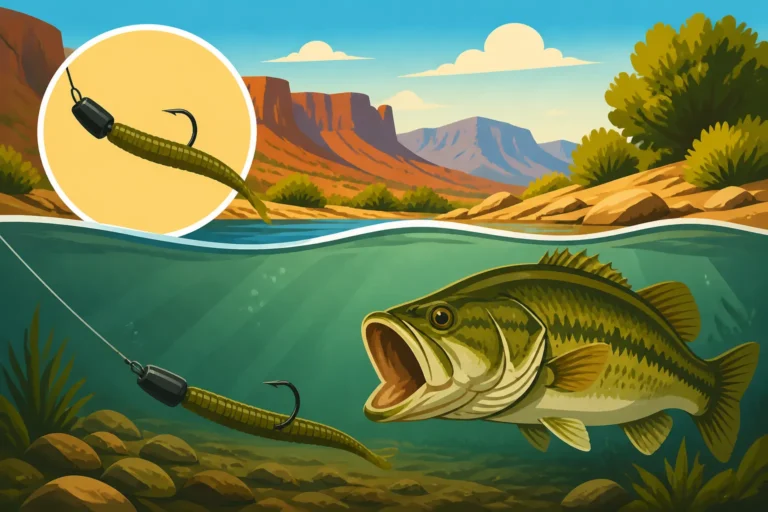
Different jig head shapes (ball, stand-up, mushroom) affect how your bait moves and sits on the bottom, which in turn can alter how the walleye perceives its color. A stand-up jig head, for instance, might keep a brightly colored plastic grub upright, making it more visible. When adding soft plastic trailers—whether they're curly-tailed grubs, realistic minnow imitations, or paddle tails—their color should complement or contrast effectively with the jig head. Sometimes, a bright jig head with a natural-colored trailer is best; other times, a uniform color scheme works. For example, a black jig head with a black grub creates a strong, singular silhouette. If you're tipping your jig with live bait like minnows or nightcrawlers, the natural scent and action can often make walleye less picky about the jig color, but a contrasting jig color can still help them locate the bait in murkier conditions. The process of Jigging for Walleye in New Mexico is a blend of color, action, and scent that all work together.
Practical Tips for Choosing and Utilizing Jig Colors
Okay, so you've got a tackle box full of options, and you understand the science. Now, how do you actually apply this knowledge on the water? It's about having a systematic approach to selection and, importantly, realizing that sometimes presentation trumps color.
Starting Point Selection and Adjustment
The sheer number of jig colors available can be overwhelming, so it helps to have a mental checklist when you're starting out on the water.
My golden rule is: Water clarity is king. This is your primary guide. If the water is clear, start with natural, subtle colors like whites, silvers, light browns, or olives. If the water is stained or murky, immediately reach for those high-visibility colors: chartreuse, orange, firetiger. Once you have your starting point, it's all about observation and adjustment. If you're not getting bites within 15-20 minutes in a productive area, change something. Before you move spots, change your jig color. Try going from bright to natural, or vice-versa. Sometimes, a slight tweak in shade (e.g., from bright chartreuse to a muted green pumpkin) can make all the difference. Carrying a diverse selection of jigs, easily purchased from retailers like Amazon, allows you to quickly adapt to changing conditions and the walleye's mood. Remember to also consider the overall Best Time of Year to Fish in New Mexico for general activity levels.
The Importance of Presentation Over Pure Color
Here's a hard truth: while color matters, it's often secondary to how you present your jig. You can have the "perfect" color, but if your retrieve speed is wrong, your depth is off, or your action is unnatural, you won't catch fish.
Think about it: A walleye sees a jig moving erratically, too fast, or too slow. Even if it's the right color, it might not trigger a strike because it doesn't look like a vulnerable, easy meal. The magic happens when the color combines with the correct retrieve speed, the right depth, and an action that mimics natural prey. For walleye, this often means subtle lifts, gentle drags along the bottom, or short, sharp snaps followed by pauses. You're trying to make that jig look like a struggling baitfish or a crayfish scuttling away. The "match the hatch" principle isn't just about color; it's about matching the size, shape, and behavior of the local baitfish. If walleye are keying in on tiny minnows, a big, brightly colored jig, no matter how "perfect" the color, might be ignored. Conversely, a subtle, natural-colored jig presented perfectly can be irresistible. This balance is key, whether you're using bait, lures, or a combination. The tips for Best Bait for New Mexico Trout might also offer transferable insights on matching the hatch and presentation, even for different species.
Quick Reference for Walleye Jig Colors
To simplify your choices, here's a handy table to guide your initial jig color selection. This is a starting point, remember to always adjust based on fish response!
| Water Condition | Light Condition | Primary Color Suggestion | Secondary Color Suggestion | Notes |
|---|---|---|---|---|
| Clear | Bright Sun | White/Pearl | Natural Shad/Silver | Mimics natural baitfish, subtle flash. |
| Clear | Overcast/Dawn/Dusk | White/Pearl | Light Green | Good visibility, less aggressive than bright colors. |
| Stained/Murky | Any | Chartreuse | Orange/Firetiger | High visibility, strong contrast for low clarity. |
| Deep Water | Any | Black/Dark Blue | Glow (charged) | Creates clear silhouette, effective at depths where colors fade. |
| Night Fishing | Any | Black | Glow (charged) | Max contrast against minimal light, very visible. |
| Aggressive Fish | Any | Firetiger | Hot Pink | Triggers reaction strikes, stands out significantly. |
| Finicky Fish | Any | Subtle Greens/Browns | Natural Minnow Patterns | Finesse approach, highly realistic imitation. |
Disclaimer
The information provided in this guide is for general informational purposes only and is not a substitute for official regulations. Fishing regulations, license requirements, and local conditions in New Mexico can change frequently. Always consult the latest New Mexico Department of Game and Fish regulations booklet or website before heading out to fish. Adherence to all local, state, and federal laws is the responsibility of the angler.